
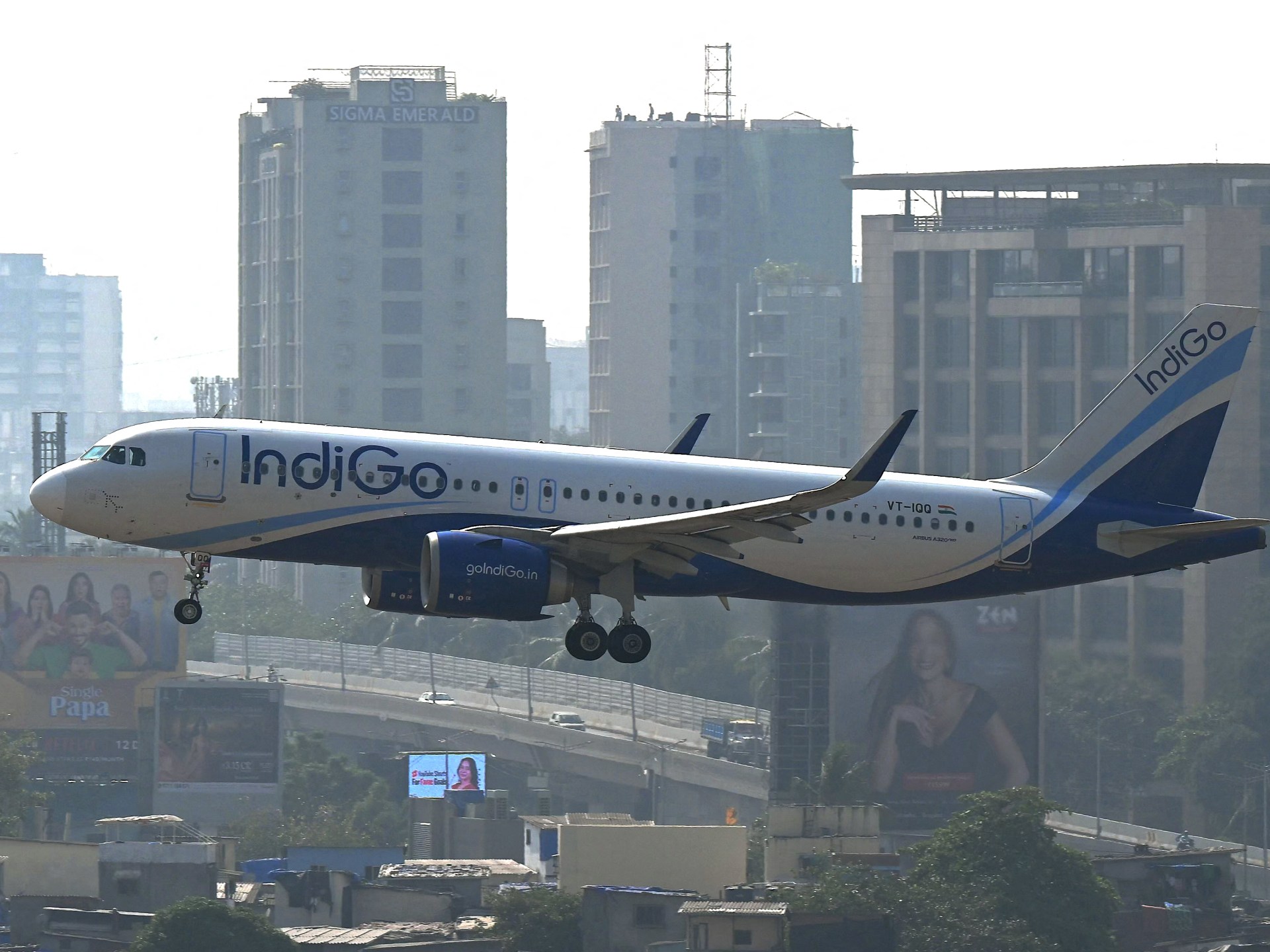
The Indian aviation sector has been rocked by widespread flight cancellations from IndiGo, the nation's largest carrier, causing significant travel disruption during a peak season. Thousands of flights have been grounded over the past week, leaving countless passengers stranded and drawing intense scrutiny to pilot working conditions and airline operational readiness.
Unpacking IndiGo's Operational Meltdown
Since December 2, IndiGo, which typically manages 2,200 flights daily, has been forced to cancel an astonishing 3,400 flights, marking the worst crisis in its two-decade history. Major metropolitan hubs like New Delhi, Mumbai, Ahmedabad, and Hyderabad have experienced severe disruptions. The airline, commanding a 65 percent market share and a monopoly on several routes to smaller Indian cities such as Shillong, Kolhapur, and Agra, has impacted travel extensively, even prompting government intervention to cap domestic fares. The staggering numbers include roughly 1,600 cancellations on Friday, over 700 on Saturday, 650 on Sunday, and more than 400 on Monday, creating a wave of public outrage. IndiGo aims to normalize operations by December 15.
The Catalyst: New Pilot Rest Regulations
The chaos stems directly from IndiGo's alleged failure to adequately prepare for new Flight Duty Time Limitations (FDTL) regulations, introduced by the Indian government in early 2024 and effective November 1. These progressive rules, designed to enhance pilot safety, combat fatigue, and align with international standards, mandate several key changes:
- An increase in mandatory weekly rest from 36 to 48 hours, explicitly excluding personal leave.
- A cap of 10 hours for flying duties extending into the night.
- A maximum of two landings per week between midnight and early morning.
- Quarterly submission of pilot fatigue reports to the Directorate General of Civil Aviation (DGCA).
Aviation experts and pilot unions have vehemently criticized IndiGo's "lackadaisical" approach. Vijay Gopalan, former AirAsia CFO, highlighted the airline's "nonchalant attitude," citing a two-year preparatory window during which IndiGo reportedly implemented hiring and pay freezes, and engaged in non-poaching agreements – practices described by the Federation of Indian Pilots as "short-sighted planning."
Why the Shift to Stricter FDTL?
The new FDTL regulations were a direct response to years of lobbying by Indian pilot unions, including the Airline Pilots’ Association of India (ALPA). Their persistent advocacy underscored serious concerns about operational safety risks and the adverse health impacts of pilots enduring long, irregular hours. These updated rules aim to bring India's aviation safety standards closer to those set by global bodies like the International Civil Aviation Organization (ICAO) and the European Union Aviation Safety Agency (EASA).
Life as a Pilot in India: A Stagnant Career Path?
A commercial pilot, Pawan (name anonymized), offered a candid glimpse into the profession. He noted that while inspired by a family legacy in aviation, the financial reality often falls short of expectations. Unlike many sectors, pilot salaries in India rarely see inflation-linked raises, leading to a sense of stagnation. Pawan lamented that after nearly a decade, he feels he earns "the same thing I earned 10 years back, or maybe even less." Entry-level Commercial Pilot Licence (CPL) holders might start around 400,000 rupees ($4,400) annually, while senior captains can potentially earn over 10 million rupees ($120,000). Career progression involves accumulating flying hours to become a senior first officer, then passing the Airline Transport Pilot Licence (ATPL) theoretical test to achieve captain status, assuming full flight responsibility.
Global Comparison: Pilot Work & Pay
While international bodies like ICAO don't dictate specific flight limits, national regulations vary significantly.
Australia
- Pilots receive a minimum 48-hour weekly break, with night duty capped at 9-10 hours.
- Annual salaries can range from A$200,000 ($134,000) for pilots to A$400,000 ($268,000) for captains.
Canada
- Pilots operating from their home base get at least 36 consecutive hours off weekly, with night duty limited to 8-10 hours.
- Salaries vary from C$38,000 ($27,740) to C$250,000 ($182,500).
Europe (EASA)
- A minimum weekly rest of 36 hours (reducible to 24 with compensation).
- Average annual salaries across 17 European countries range from €32,299 ($35,000) in Romania to €113,672 ($122,776) in Switzerland.
United States
- Flight crew members receive 30 consecutive hours free from all duty in a seven-day period, with night duty capped at 9-10 hours.
- The median pay for commercial pilots in 2024 was $198,100 annually.
The IndiGo crisis serves as a stark reminder of the delicate balance between operational demands, pilot welfare, and regulatory compliance, spotlighting the need for robust planning in a rapidly expanding aviation market.