Trump Peace Deal Fails as Thailand & Cambodia Border Clashes Reignite
Dec 8, 2025
 Thailand
International Relations
Thailand
International Relations
Thailand
International Relations
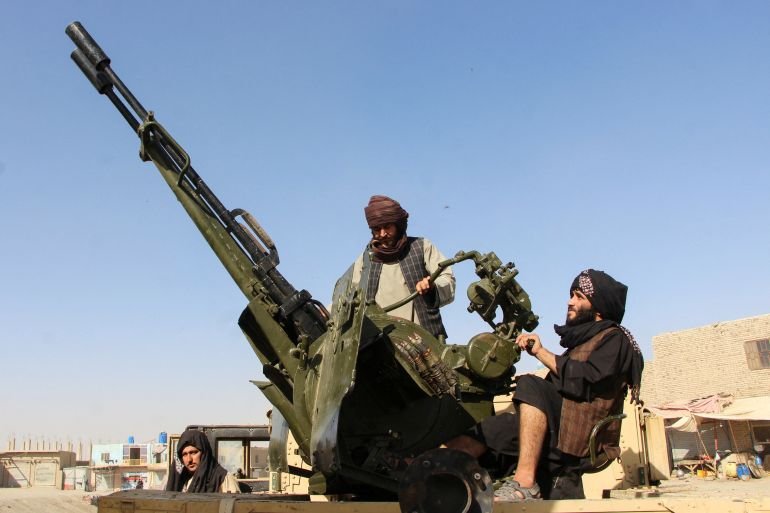
A Trump-brokered peace initiative aimed at resolving border tensions between Thailand and Cambodia has reportedly collapsed, leading to renewed skirmishes along
Trump-Brokered Peace Deal Collapses Amid Renewed Thailand-Cambodia Border Clashes
The hopeful diplomatic initiative brokered by the Trump administration, aimed at pacifying long-standing border tensions between Thailand and Cambodia, has reportedly collapsed, leading to a disheartening resumption of armed clashes along their shared frontier. This development marks a significant setback for regional stability and international peacemaking efforts in Southeast Asia.
Historical Context of Border Disputes
For decades, the border region between Thailand and Cambodia has been a flashpoint for territorial disputes, particularly around ancient temple sites like Preah Vihear. These disagreements, rooted in historical claims and differing interpretations of colonial-era maps, have periodically escalated into military confrontations, causing casualties and displacing local populations.
The Ambitious "Trump Peace Deal"
The "Trump Peace Deal," as it came to be known, was a high-profile attempt by the former U.S. administration to mediate a lasting resolution. Details of the proposed agreement, while not fully public, were understood to involve demarcation efforts, joint economic development zones, and robust confidence-building measures designed to foster trust and cooperation between the two nations. It represented a concerted push to leverage American diplomatic influence to achieve a durable peace in a strategically important region.
Why the Agreement Unraveled
However, sources close to the negotiations indicate that the fragile agreement began to unravel due to persistent disagreements over specific border interpretations and a lack of full commitment from both sides to implement certain contentious provisions. Internal political pressures within both Thailand and Cambodia, coupled with deep-seated nationalistic sentiments surrounding the disputed territories, proved formidable obstacles that the deal ultimately failed to overcome.
Resurgence of Hostilities
The recent resurgence of clashes has been reported in several contested areas, involving exchanges of small arms fire and and, in some instances, artillery. While the scale of these skirmishes is still being assessed, they are serious enough to signal a breakdown of the peace accord and raise concerns about broader escalation. Local residents near the border have once again reported heightened military presence and the sounds of distant gunfire, rekindling fears of displacement and renewed instability.
Implications for Regional Stability
The failure of this peace initiative leaves a void in regional diplomatic efforts and casts a shadow over the future of Thailand-Cambodia relations. International observers are calling for restraint and a renewed commitment to peaceful dialogue, emphasizing the importance of de-escalation to prevent further loss of life and maintain the fragile balance of power in Southeast Asia. The immediate focus now turns to preventing these isolated incidents from spiraling into a larger conflict, as the region grapples with the implications of a peace deal gone awry.
By news
4 hours ago