Trump Approves Nvidia H200 AI Chip Sales to China with 25% US Cut; Xi Responds Positively, Boosting Tech & Trade Relations
Dec 9, 2025
 United States
Business & Technology
United States
Business & Technology
United States
Business & Technology
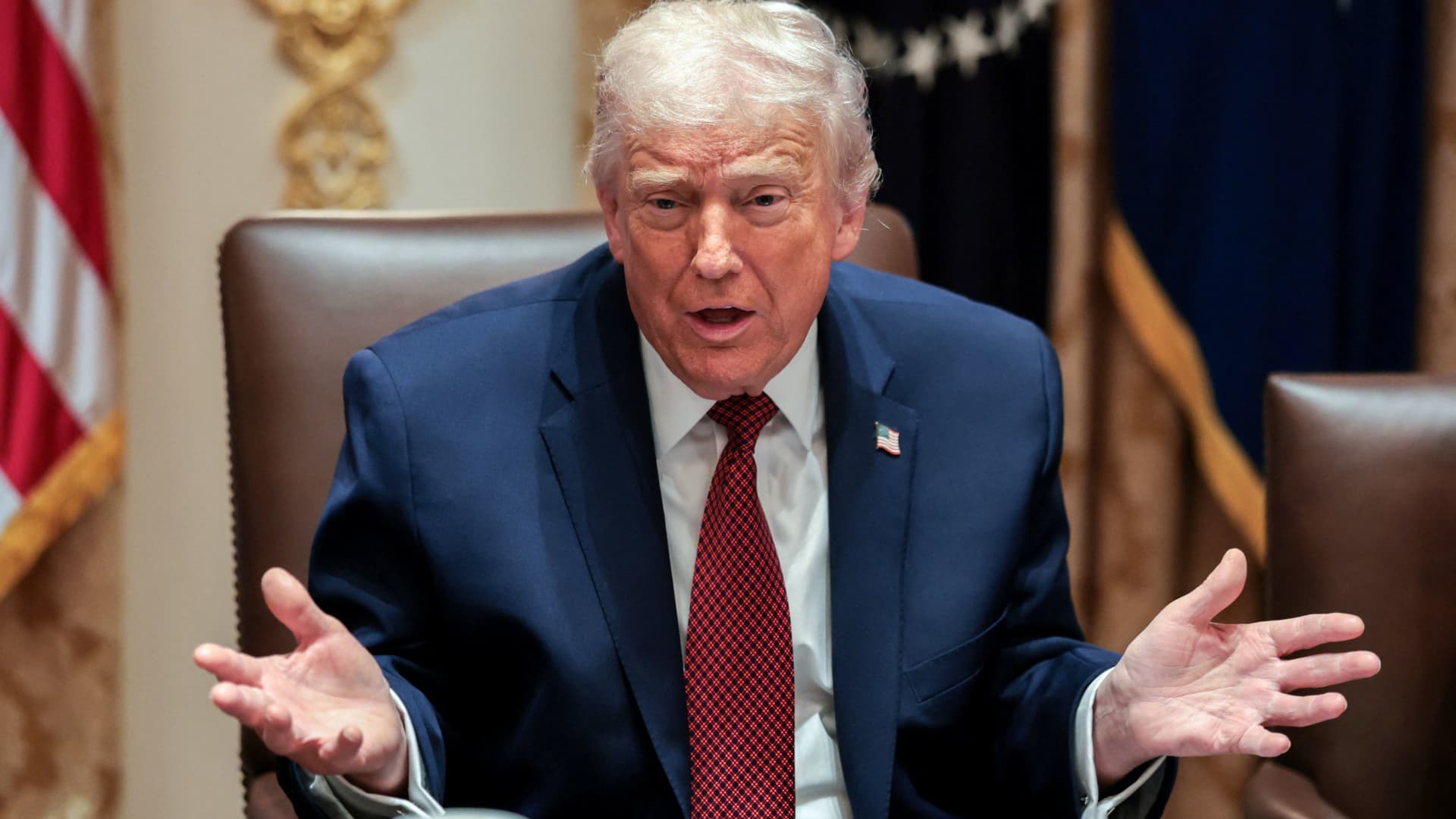
Donald Trump allows Nvidia H200 AI chip sales to China with a 25% U.S. government cut. President Xi Jinping positively received the proposal. This move aims to
Trump Greenlights Nvidia H200 AI Chip Exports to China, Securing US Revenue Share
Former President Donald Trump has unveiled a significant shift in U.S. technology export policy, announcing that tech giant Nvidia will be permitted to sell its advanced H200 artificial intelligence chips to "approved customers" in China and other global markets. A key condition of this groundbreaking deal is a 25% revenue share to be paid directly to the U.S. government. According to Trump's statement on Truth Social, Chinese President Xi Jinping "responded positively" to this proposal.
Bolstering American Economy and Expanding Policy
This strategic move, as articulated by Trump, is designed to invigorate American jobs, fortify U.S. manufacturing capabilities, and provide a direct financial benefit to American taxpayers. The Department of Commerce is currently in the process of finalizing the intricate details of this policy, which is slated to extend its framework to other major American chipmakers, including Advanced Micro Devices (AMD) and Intel.
Notably, this 25% revenue-sharing model represents an increase from a prior agreement made in August, where both Nvidia and AMD had consented to share 15% of their revenue from certain China chip sales with the U.S. government. The H200 chip itself, while powerful, is described as a higher-grade offering than Nvidia's H2 variant (reportedly designed specifically for China and met with some cautionary warnings from Beijing), yet it isn't the company's absolute top-of-the-line product.
Industry Reaction and Market Dynamics
The announcement sparked initial positive movement in Nvidia's stock, which saw gains after news of the Commerce Department's potential approval surfaced, although some of these gains later pared. A spokesperson for Nvidia lauded President Trump's decision, emphasizing that allowing America's chip industry to compete supports high-paying jobs and manufacturing within the U.S. "Offering H200 to approved commercial customers, vetted by the Department of Commerce, strikes a thoughtful balance that is great for America," the spokesman stated.
The Broader Geopolitical and Economic Chessboard
Semiconductors are not merely components; they are the core engine driving the global artificial intelligence race, a critical arena for both the U.S. and China. Their trade has frequently been a flashpoint in the often-turbulent economic relationship between these two superpowers. The current agreement builds upon previous diplomatic engagements. Following a meeting in South Korea in late October, Trump and Xi reportedly established a tentative trade truce, during which China pledged to cease "retaliation" against U.S. chipmakers. Trump later confirmed that discussions regarding the export of Nvidia chips were part of that dialogue. This development signifies a complex interplay of trade, technology, and geopolitical strategy, attempting to find a beneficial middle ground amidst intense competition.
By news
14 hours ago