Federal Judge Halts Trump's National Guard Deployment in Los Angeles with Strong Rebuke Amidst Unrest
Dec 11, 2025
 United States
Politics & Law
United States
Politics & Law
United States
Politics & Law
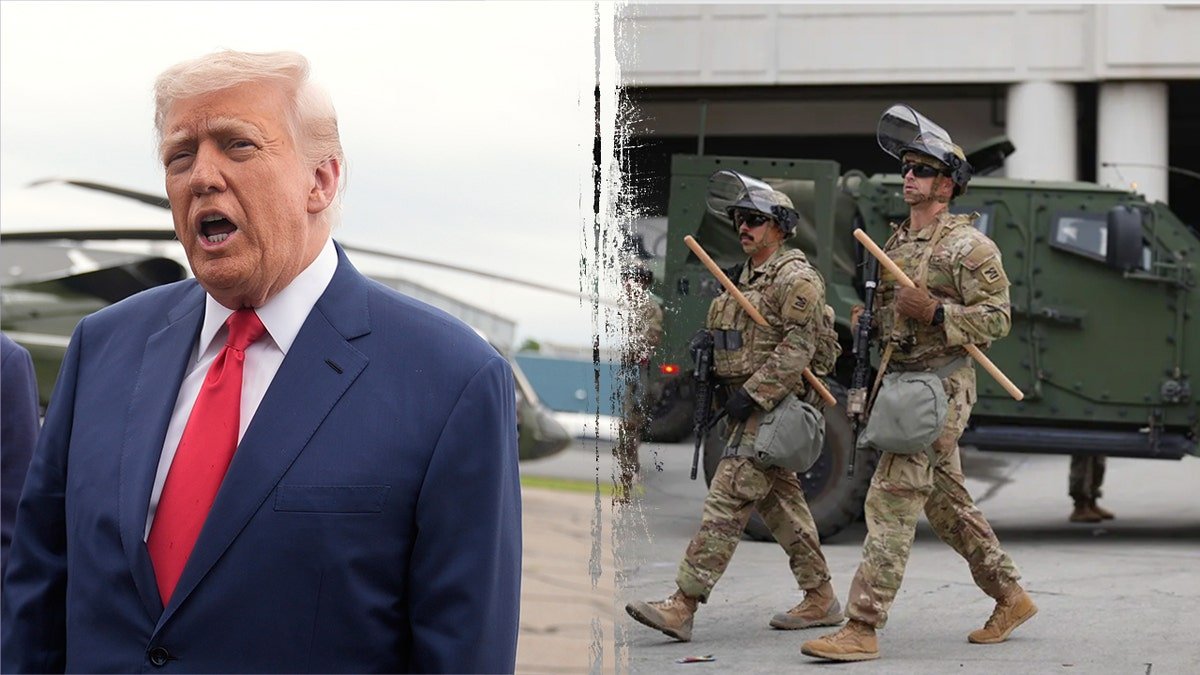
A federal judge blocked former President Trump's National Guard deployment to Los Angeles, delivering a sharp rebuke regarding the legal basis of the order.
Federal Judge Blocks Trump's National Guard Deployment in Los Angeles
A federal judge in Los Angeles has delivered a significant blow to a controversial directive from the White House, issuing a decisive injunction to block the deployment of National Guard troops within the city. The ruling came with a strong rebuke, questioning the legal authority and constitutional basis of the order, which sought to dispatch federalized National Guard units into Los Angeles amidst widespread civil unrest.
Concerns Over Federal Overreach
Sources close to the judicial proceedings indicate that the judge's decision underscored concerns about federal overreach and the potential infringement on state sovereignty. The court's order highlighted the absence of a clear legal framework or a compelling justification presented by the administration for overriding local authorities' control over public safety and law enforcement within California.
Upholding Checks and Balances
Legal experts suggest this ruling reinforces the checks and balances inherent in the U.S. system, particularly concerning the President's power to unilaterally deploy military assets within states without the explicit consent or request of state governors, especially when dealing with civilian matters. The judge's strong language in the injunction reportedly emphasized the importance of upholding established legal precedents and preventing potential abuses of executive power.
Implications for Federal Intervention
The blocked deployment was reportedly part of a broader federal response to protests and demonstrations that had swept across several U.S. cities. However, the Los Angeles ruling sets a precedent that could influence future decisions regarding federal intervention in state-level matters, particularly those involving the National Guard. This development is seen as a victory for those advocating for states' rights and a limitation on presidential authority in domestic affairs.
By news
1 day ago