Australia's Under-16 Social Media Ban Faces Initial Hurdles: PM Albanese Defends Rollout Amid Teen Resistance & Global Scrutiny
Dec 11, 2025
 Australia
Government Policy
Australia
Government Policy
Australia
Government Policy
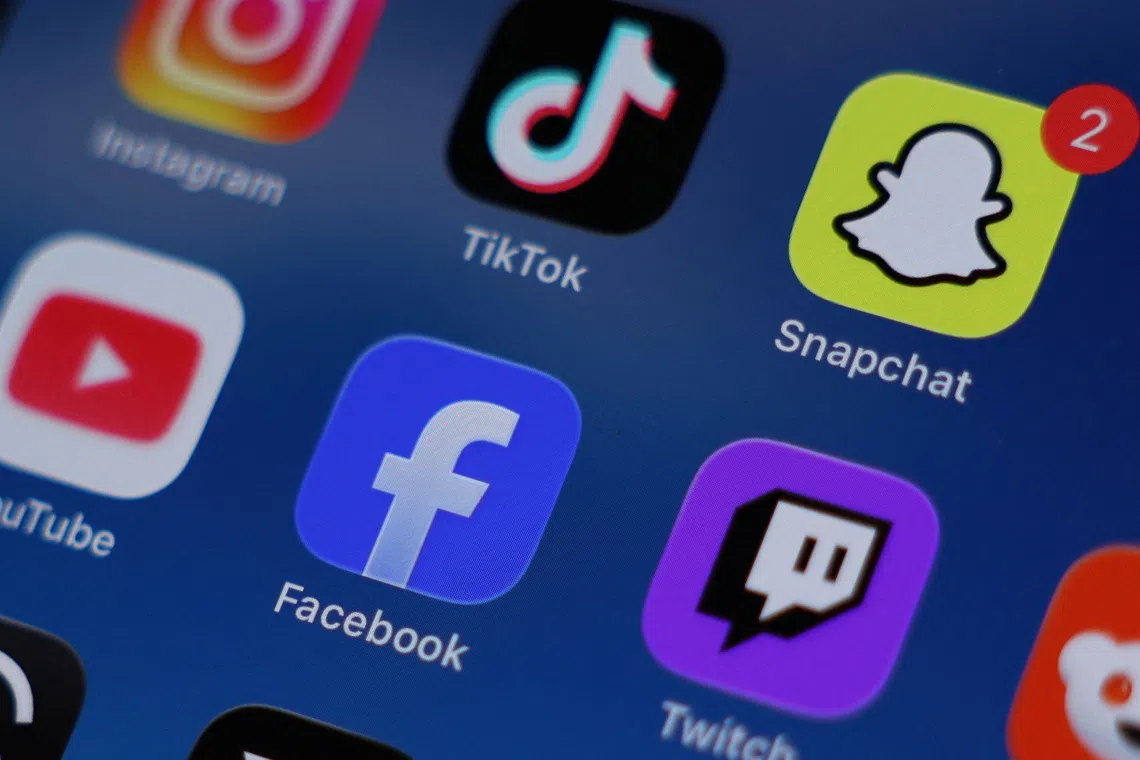
Australia's world-first ban on social media for under-16s faces initial resistance. PM Albanese defends the rollout, stating it's vital for youth mental health
Australia's Under-16 Social Media Ban: Initial Hurdles and PM Albanese's Defense
Australia has embarked on a bold, world-first initiative, implementing a nationwide ban on social media access for individuals under the age of 16. However, just a day after the law took effect, the rollout has proven to be anything but smooth, with reports of young people circumventing the restrictions and even boasting about their continued online presence.
Prime Minister Defends Bumpy Rollout
Prime Minister Anthony Albanese addressed the immediate challenges, acknowledging the inherent difficulty in such a monumental shift. Speaking to Melbourne's FOX radio, Albanese stated, "Of course it isn't smooth. You can't in one day switch off over a million accounts across the board. But it is happening." He reiterated this sentiment on Sydney's Nova Radio, adding, "If it was easy, someone else would have done it." The Prime Minister staunchly defended the policy, framing it as a crucial intervention to safeguard the mental health of young Australians, citing concerns over bullying, body image issues, and the pervasive nature of addictive algorithms. He firmly believes this measure will "save lives and it will change lives for this and future generations."
Teen Resistance and Technical Challenges
The new legislation mandates that 10 major social media platforms, including industry giants like TikTok, Meta's Instagram, and Alphabet's YouTube, must prevent underage users from accessing their services or face substantial fines, potentially up to A$49.5 million ($33 million). While the government anticipated that platforms would need time to establish robust age-verification processes, the initial hours saw numerous self-proclaimed under-16s posting comments like, "I'm still here, wait until I can vote" on the Prime Minister's own TikTok account.
Adding another layer to the challenge, Google data revealed a significant spike in Australian searches for Virtual Private Networks (VPNs) in the week leading up to the ban – reaching a 10-year high. One free VPN provider, hide.me, reported a 65% surge in Australian visits, although this didn't immediately translate to a proportional rise in downloads.
Global Observation and Platform Adaptations
Globally, governments are closely monitoring Australia's pioneering effort as they deliberate similar measures. U.S. Republican Senator Josh Hawley has already voiced his support for the ban. However, the United Nations Children's Fund (UNICEF) issued a cautionary statement, suggesting that such bans might inadvertently push children towards less regulated corners of the internet. UNICEF stressed that age restrictions alone are insufficient, emphasizing the critical need for platforms to enhance their design and content moderation practices.
Interestingly, as the ban took effect, some social media apps not initially covered by the legislation surged in popularity on app download charts. This prompted the Australian government to clarify that its list of targeted platforms is "dynamic." Notably, Lemon8, an app owned by TikTok's parent company Bytedance, proactively introduced a 16-year age minimum. Another photo-sharing app, Yope, reported "very fast growth" to approximately 100,000 Australian users, with about half already over 16. Yope informed Australian regulators it considers itself a private messaging service, not social media, raising questions about the scope and future enforcement of the ban.
This initial phase highlights the complex interplay between government regulation, technological resilience, and user behavior in the digital age, setting a precedent for global discussions on youth online safety.
By news
1 day ago