US General: Joint Military Drills 'Absolutely' Crucial for Korean Peninsula Peace Amid North Korea Dialogue Hopes & Russia Ties
Dec 15, 2025
 United States
Geopolitics
United States
Geopolitics
United States
Geopolitics
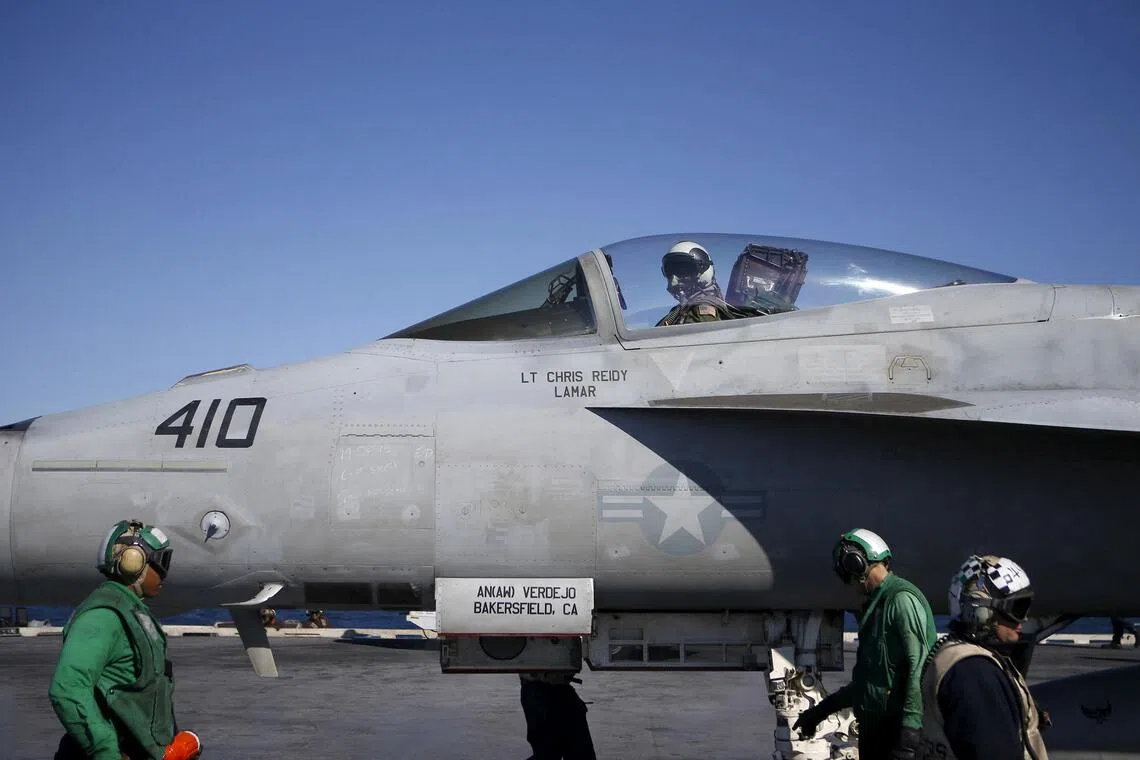
A top US general in South Korea stresses the "absolute" necessity of joint military drills to deter North Korea, despite Seoul's suggestions of adjustments for
US General Firmly Defends Joint Military Drills Amid Calls for Dialogue with North Korea
The top United States commander in South Korea has strongly asserted that consistent joint military exercises between the US and its ally are absolutely
essential for maintaining peace and exerting necessary pressure on North Korea. This stance comes as officials in Seoul have suggested adjusting these drills to facilitate dialogue with their nuclear-armed neighbor.
General Brunson's Unwavering Stance on Deterrence
General Xavier Brunson, who leads US forces in South Korea, conveyed his conviction during a webinar on December 11. He specifically highlighted the undeniable reality of cooperation between Russia and the Democratic People's Republic of Korea (DPRK), stating, Russian-DPRK collaboration is real. It is not a quid pro quo relationship. It is real.
He further elaborated on the necessity of these exercises, explaining, Whenever someone talks about, I don’t care who it is, talks about exercising less or exercising differently, and they need to understand that there are two times in a year where we absolutely need some support.
This refers to the allies’ regular spring and summer drills, which typically involve around 28,500 American troops stationed in South Korea.
Seoul's Wavering Position on Dialogue
General Brunson's comments seemingly contrast with earlier statements from South Korean President Lee Jae Myung, who had indicated over a week prior that he was open to reviewing joint military drills with the US if it could aid in resuming talks with North Korean leader Kim Jong Un. While Mr. Lee’s national security adviser later clarified that Seoul was not currently considering drill adjustments, Unification Minister Chung Dong-young, South Korea's key official for North Korea, recently told reporters that discussion on the issue should be possible to initiate negotiations with Pyongyang.
Lessons from Past Diplomacy
The debate over military exercises in relation to North Korea dialogue is not new. During his first term, US President Donald Trump temporarily paused some drills that Pyongyang had long found provocative, as he pursued direct talks with Mr. Kim. Despite three meetings, these diplomatic efforts ultimately failed to persuade the North Korean leader to abandon his nuclear weapons program.
Fragile Peace and Emerging Threats
General Brunson described peace on the Korean Peninsula as among the most fragile.
He emphasized that the only way to address the situation is through pressure, provided by our ability to conduct our activities and make the right investments in time now so that we provide the deterrent effect that’s born of this alliance.
Recent events underscore this fragility. On December 9, South Korea and Japan scrambled jets after Russian and Chinese warplanes flew near their territory. Just hours following this joint flight, North Korea fired multiple rockets off its western coast, according to South Korea’s military. General Brunson also expressed concerns about the evolving partnership between North Korea and Russia, referencing observations of training, whether that be tactic techniques and procedures that they’re learning from the front, whether that be things going on in the winter training cycle that we see right now.
US Commitment and Operational Control
Concurrently, in Washington, the US held a nuclear consultative group meeting with South Korea on December 11, reaffirming its commitment to provide extended deterrence to its Asian ally, utilising the full range of US defence capabilities, including nuclear.
Regarding South Korea's long-standing desire to regain wartime operational control (OPCON) from the US, General Brunson stressed the importance of meeting established conditions over adhering to a specific timeline. The Lee administration has been pushing for this transfer by the end of its five-year term. The commander concluded, We cannot say we’re going to slide away from the conditions just so that we can get this done in time. The conditions were written for a reason, but we also have to make sure that those conditions are contemporary conditions because things change.
By news
16 hours ago