Pacific Northwest Reels from Atmospheric River: Widespread Flooding, Tens of Thousands Evacuated Across Washington, Oregon, & British Columbia
Dec 15, 2025
 United States
Natural Disaster
United States
Natural Disaster
United States
Natural Disaster
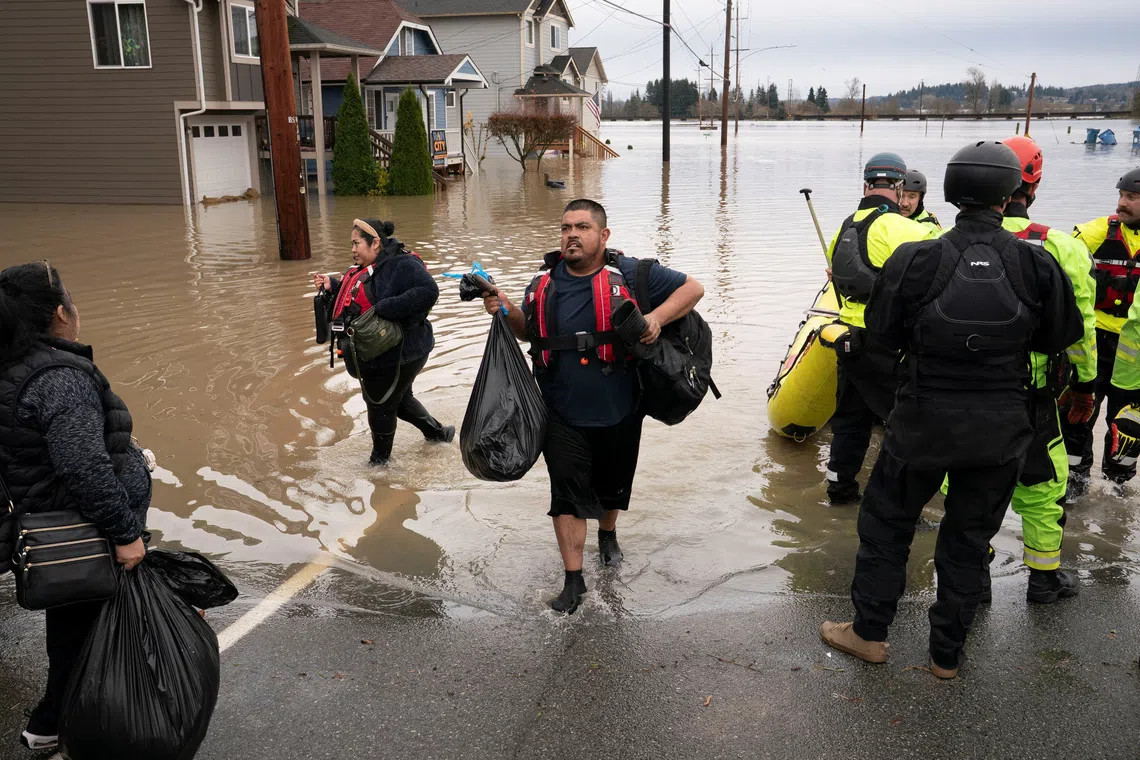
Heavy rains from an atmospheric river caused widespread flooding and evacuations across the Pacific Northwest, impacting Washington, Oregon, and British Columbi
Pacific Northwest Devastated by Atmospheric River: Widespread Flooding & Mass Evacuations
The Pacific Northwest has been plunged into crisis following an "atmospheric river" storm that unleashed torrential rains, triggering widespread flooding and prompting mass evacuations across parts of Washington, Oregon, and British Columbia. The intense downpours, which began earlier in the week, caused rivers to swell to record levels, submerged roads, and disrupted critical infrastructure.
Washington State Bears the Brunt
Western Washington bore the brunt of the meteorological assault. Flood watches were issued across the Cascade and Olympic mountains and Puget Sound, affecting approximately 5.8 million residents. Rural Skagit County, north of Seattle, saw the largest number of the nearly 100,000 residents under “Level 3” immediate evacuation orders. An estimated 3,800 individuals were in urgent need of temporary shelter. Swift-water rescue teams were deployed across the region, though thankfully, no casualties or missing persons had been reported as of the latest updates.
Infrastructure Under Siege and Record River Crests
Key rivers like the Skagit, Snohomish, and Puyallup experienced severe flooding, leading to the closure of over 30 highways and numerous smaller roads. The BNSF Railway, a vital freight line, also reported washed-out or closed segments due to rainfall totals ranging from 25.4cm to over 43.2cm in many areas. Officials in Skagit County were particularly concerned as the Skagit River was forecast to crest two feet above record levels near Mount Vernon and Burlington, threatening to test flood-control levees for the first time since their 2021 repairs. Washington Governor Bob Ferguson declared a statewide emergency to expedite federal disaster aid, acknowledging the unpredictable and dangerous situation.
Impact Extends to British Columbia
The powerful storm system also extended its reach into northern Oregon, western Montana, and parts of northern Idaho. In British Columbia, Canada, the impact was equally severe, with five of the six major highways leading to the critical Pacific port city of Vancouver shut down due to floods, rockslides, and avalanche risks. This disruption highlighted the vulnerability of Vancouver's limited transportation network, reminiscent of a similar atmospheric river event in late 2021 that caused widespread damage and fatalities.
Lingering Threat and Climate Change Concerns
While the atmospheric river was expected to subside, lingering rains continued to pose a significant flood threat to the waterlogged region. Meteorologists warn that such extreme weather events, though not new to the Pacific Coast, are projected to become more frequent and intense in the coming century due to human-induced climate change.
By news
16 hours ago