Novo Nordisk Shares Soar 7% on FDA Approval of First Oral GLP-1 Pill, Gaining Edge Over Eli Lilly in Obesity Drug Market
Dec 23, 2025
 United States
Pharmaceuticals
United States
Pharmaceuticals
United States
Pharmaceuticals
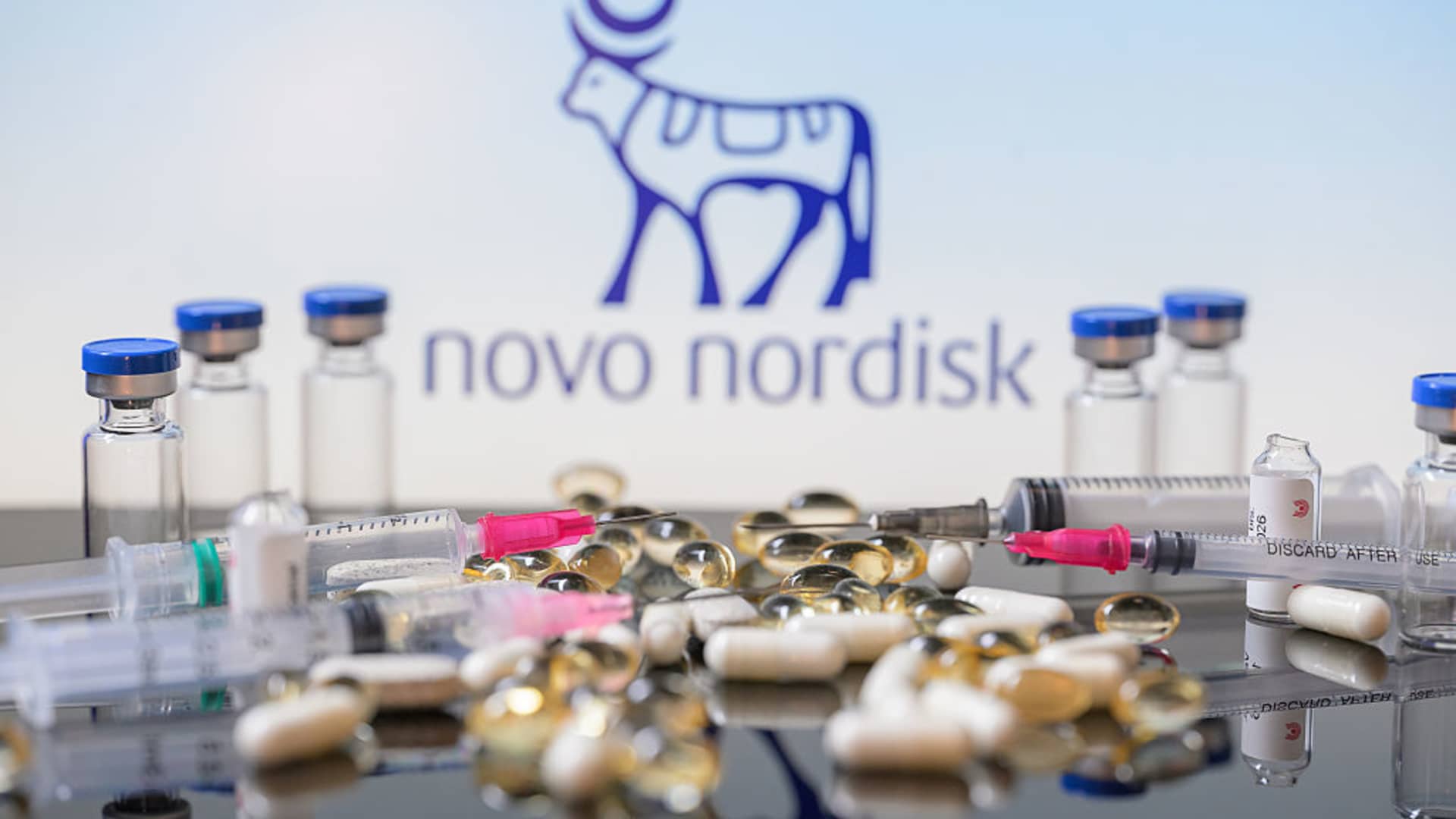
Novo Nordisk's shares surged after FDA approved its GLP-1 pill, giving it an early lead over Eli Lilly in the competitive obesity treatment market. The drug wil
Novo Nordisk Shares Surge on Historic FDA Approval of Oral GLP-1 Obesity Pill
Copenhagen, Denmark / Washington D.C., USA – Danish pharmaceutical giant Novo Nordisk witnessed a significant leap in its market valuation as shares soared over 7% following a landmark decision by the U.S. Food and Drug Administration (FDA). The agency granted approval for Novo Nordisk's GLP-1 pill, marking the world's first orally administered treatment for obesity. This pivotal approval gives the company a critical head start against its primary American rival, Eli Lilly, in the rapidly expanding obesity drug market.
Market Advantage and Analyst Outlook
The industry is abuzz with speculation regarding the competitive dynamics between these pharmaceutical titans. Rajesh Kumar, Head of European Life Sciences and Healthcare Equity Research at HSBC, emphasized Novo Nordisk's potential edge during an interview on CNBC's "Squawk Box Europe." Kumar stated, "Novo actually might have an edge, and it will entirely depend on how they execute," highlighting the importance of strategic implementation in securing market leadership.
Availability and Pricing Strategy
The newly approved GLP-1 pill is slated for availability in pharmacies and through select telehealth providers beginning in early January. Consumers can access a 1.5-milligram starting dose with a monthly savings offer of $149. In a noteworthy development, cash-paying patients will also be able to purchase the medication at this price point via the direct-to-consumer platform, TrumpRx, a result of a recent agreement between Novo Nordisk and the former U.S. administration. This pricing strategy emerges amid ongoing national discussions and efforts in the U.S. to mitigate consumer drug costs.
Overcoming a Turbulent Year
This positive regulatory outcome serves as a welcome conclusion to what has been a turbulent period for Novo Nordisk. The company has navigated a series of challenges throughout the year, including internal board drama, persistent supply chain shortages impacting its popular Wegovy injection, a fierce bidding war against Pfizer, and considerable scrutiny over the execution of its U.S. market strategy.
The Race Against Eli Lilly
While Eli Lilly is also on track to launch its own GLP-1 pill, having already submitted its application for FDA approval, initial clinical data for Novo Nordisk's oral treatment presents a strong case. Despite potential prescribing complexities due to specific food and water intake restrictions, the pill's tolerability and efficacy profiles are reportedly superior to Eli Lilly's anticipated offering, according to Kumar's assessment.
The competitive landscape remains fluid. Eli Lilly recently reported favorable results from a maintenance trial where patients successfully transitioned directly from its injectable Zepbound and Novo Nordisk's competing shot, Wegovy. This strategic move could enable Eli Lilly to "keep a bit of market share," as observed by Kumar, ensuring a continued intense rivalry in the rapidly evolving and highly lucrative obesity treatment sector. The effectiveness of each company's execution in the coming months will ultimately determine their respective shares in this burgeoning market.
By news
15 hours ago