Trump Taps US Military Leaders for Diplomatic Efforts on Iran and Ukraine
Feb 7, 2026
 United States
Politics
United States
Politics
United States
Politics
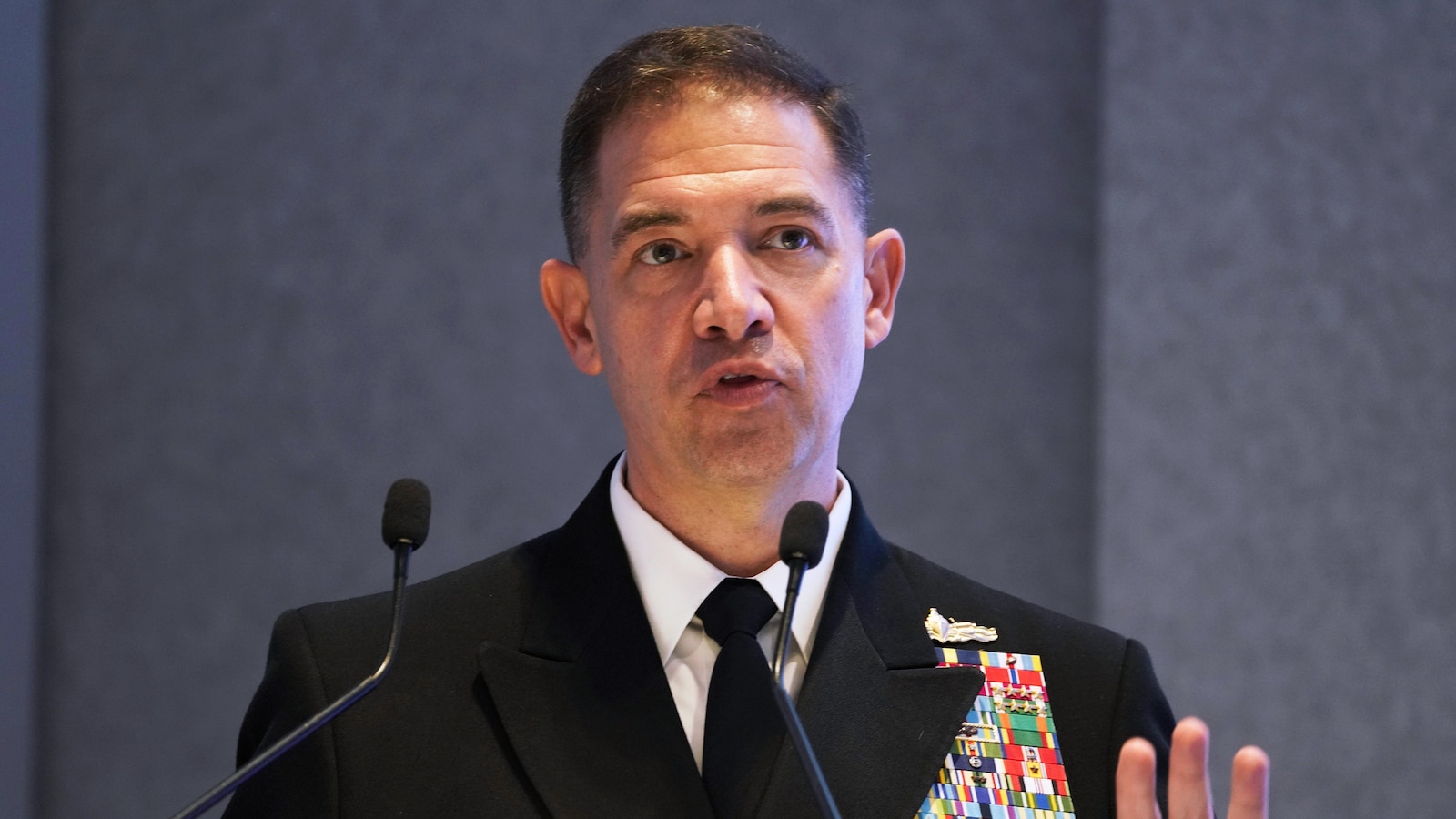
President Trump has employed military leaders like Admiral Brad Cooper and Dan Driscoll for high-level diplomacy with Iran and Ukraine, blending traditional and
Trump Taps US Military Leaders for Diplomatic Efforts
President Donald Trump has taken an unusual step by involving active-duty military leaders in diplomatic efforts with Iran and Ukraine. Admiral Brad Cooper, head of U.S. Central Command, joined indirect talks with Iran while Army Secretary Dan Driscoll worked to maintain dialogue during the Russia-Ukraine negotiations. This approach reflects a departure from conventional foreign policy practices.
Eliot Cohen, a former State Department official, noted that such unconventional emissaries have a long tradition in U.S. presidential diplomacy. However, experts like Elisa Ewers question whether this reliance on military personnel undermines traditional diplomatic expertise. The presence of military leaders like Cooper and Driscoll may signal both expertise and a potential threat, as seen during the Cold War arms control talks.
Michael O’Hanlon and Michael Singh agree that Cooper’s involvement is intended to convey resolve and intimidate Iran, while Driscoll’s role in Ukraine aims to keep dialogue active. Despite criticism, Trump remains confident that military engagement can drive successful negotiations. The White House has not formally responded to why these individuals were chosen for such roles.
Overall, this unconventional approach to diplomacy highlights the Trump administration's tendency to leverage military might alongside traditional diplomatic efforts in addressing complex international conflicts.
By news
4 months ago