U.S. and Trump's Approach to Iran
Mar 8, 2026
 United States
Politics
United States
Politics
United States
Politics
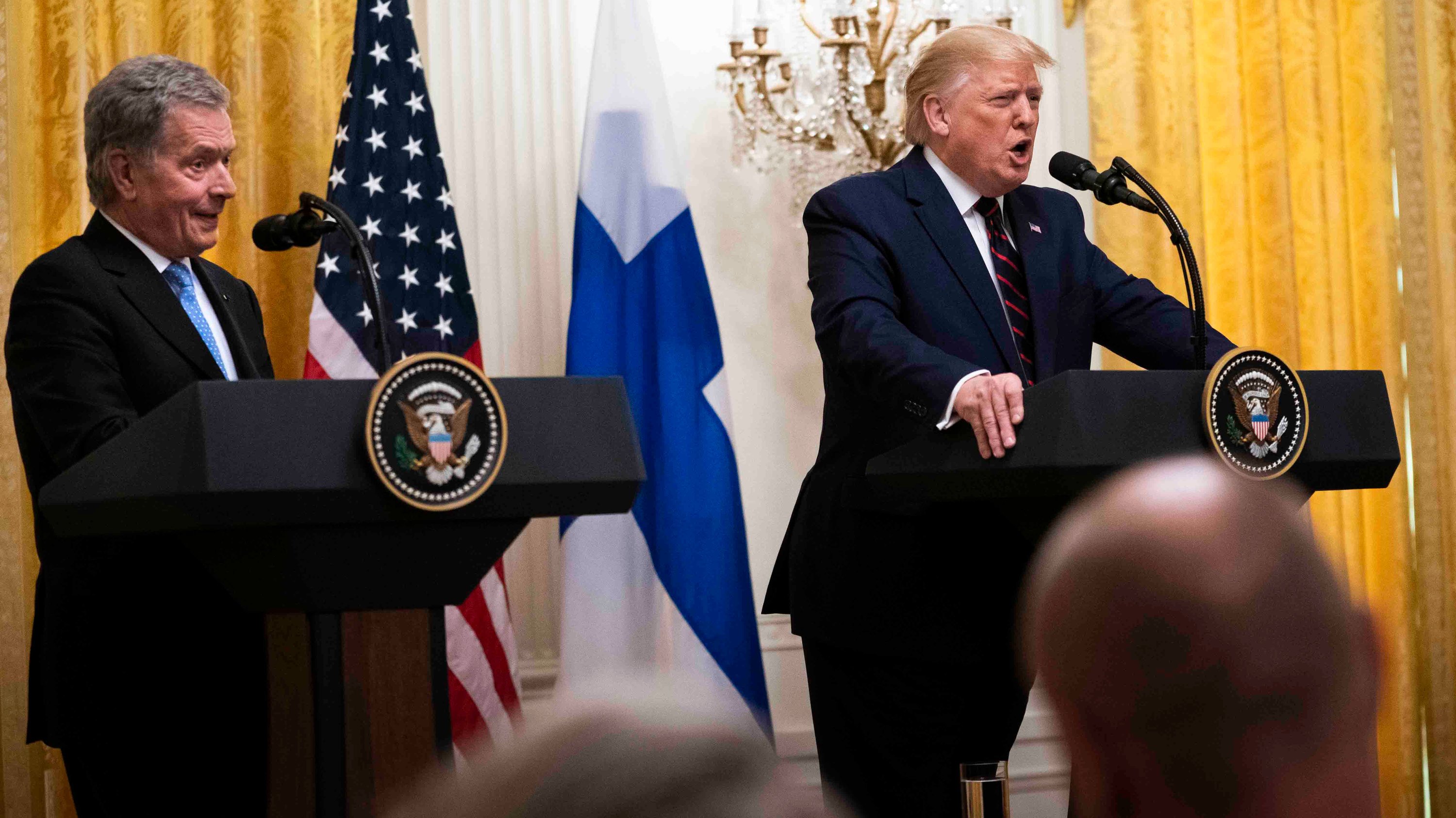
Exploring the U.S. history of installing foreign leaders and Trump's current approach towards Iran, including its geopolitical implications.
U.S. and Trump's Approach to Iran
The article delves into historical instances where the United States has intervened to install foreign leaders, with a particular focus on President Trump's current stance toward Iran. This approach has sparked various reactions within the international community due to its potential far-reaching consequences.
Historically, the U.S. has played a significant role in shaping global political landscapes, often through strategic alliances and occasional direct interventions. Trump's recent actions regarding Iran are seen as a continuation of this legacy, though with a distinct shift in tone and methodology.
One of the key aspects of Trump's strategy is his emphasis on strong leadership and the idea that certain leaders cannot be allowed to remain in power if they threaten regional stability. This perspective is evident in his dealings with Iran, where he has made it clear that his administration will not tolerate what it perceives as threats to national security.
Moreover, the article highlights the broader implications of such actions. Installing foreign leaders is not without its complications, as it can lead to questions of sovereignty and long-term stability. The U.S. has faced criticism in the past for its involvement in the political affairs of other nations, and Trump's approach risks amplifying these concerns.
In conclusion, the article provides a comprehensive overview of the U.S. history of installing foreign leaders and examines the potential consequences of Trump's current policies toward Iran. It underscores the complexities of global diplomacy and the challenging balance between maintaining national security and respecting the sovereignty of other nations.
By news
7 months ago