Millions of Americans can now claim Canadian citizenship by descent with new law
Mar 8, 2026
 Canada
immigration
Canada
immigration
Canada
immigration
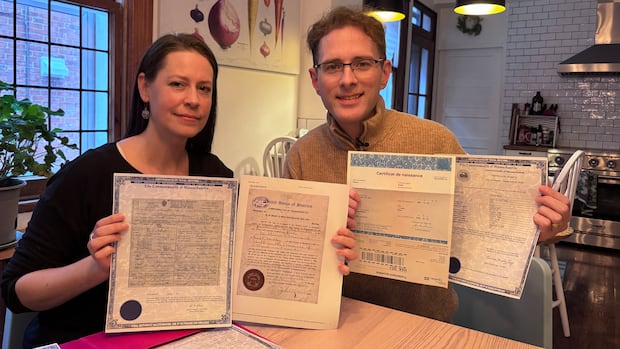
Millions of Americans can now apply for Canadian citizenship by descent following changes in Canada's citizenship rules.
Millions of Americans Can Now Claim Canadian Citizenship by Descent
Recent legal changes in Canada have made it easier for millions of Americans to apply for citizenship by descent. Bill C-3, which came into effect December 15, 2025, removes the first-generation limit for citizenship by descent, allowing retroactive citizenship to those whose ancestors were born in Canada. This has caused a significant increase in applications from Americans seeking a second passport as a safety net amid political tensions in the United States.
The process requires proving ancestral links, which can be challenging and time-consuming. Applicants must provide documents such as birth certificates, baptismal records, and marriage certificates to establish their connection to Canada. Additionally, they may need to use notarized statements or witnesses to vouch for their claims. For those with complex family histories or discrepancies in records, the process can be particularly difficult, requiring more substantial evidence such as census records, property deeds, or court documents.
Despite the challenges, many Americans are viewing this new pathway to citizenship as a crucial safety measure. With increased global volatility and political instability, having dual citizenship can provide peace of mind and flexibility for the future. The change has also sparked renewed interest in genealogy and family history research, as many applicants are required to trace their ancestral roots back to Canada.
Overall, the implementation of Bill C-3 has had a profound impact on the lives of many Americans. It has not only provided a new avenue for citizenship but also reignited connections to Canadian heritage and identity. As the process continues to evolve, it remains to be seen how this change will shape the future of citizenship and identity for generations to come.
By news
7 months ago