Canada’s Supreme Court to Hear Case Challenging Quebec’s Bill 21
Mar 22, 2026
 Canada
Legal
Canada
Legal
Canada
Legal
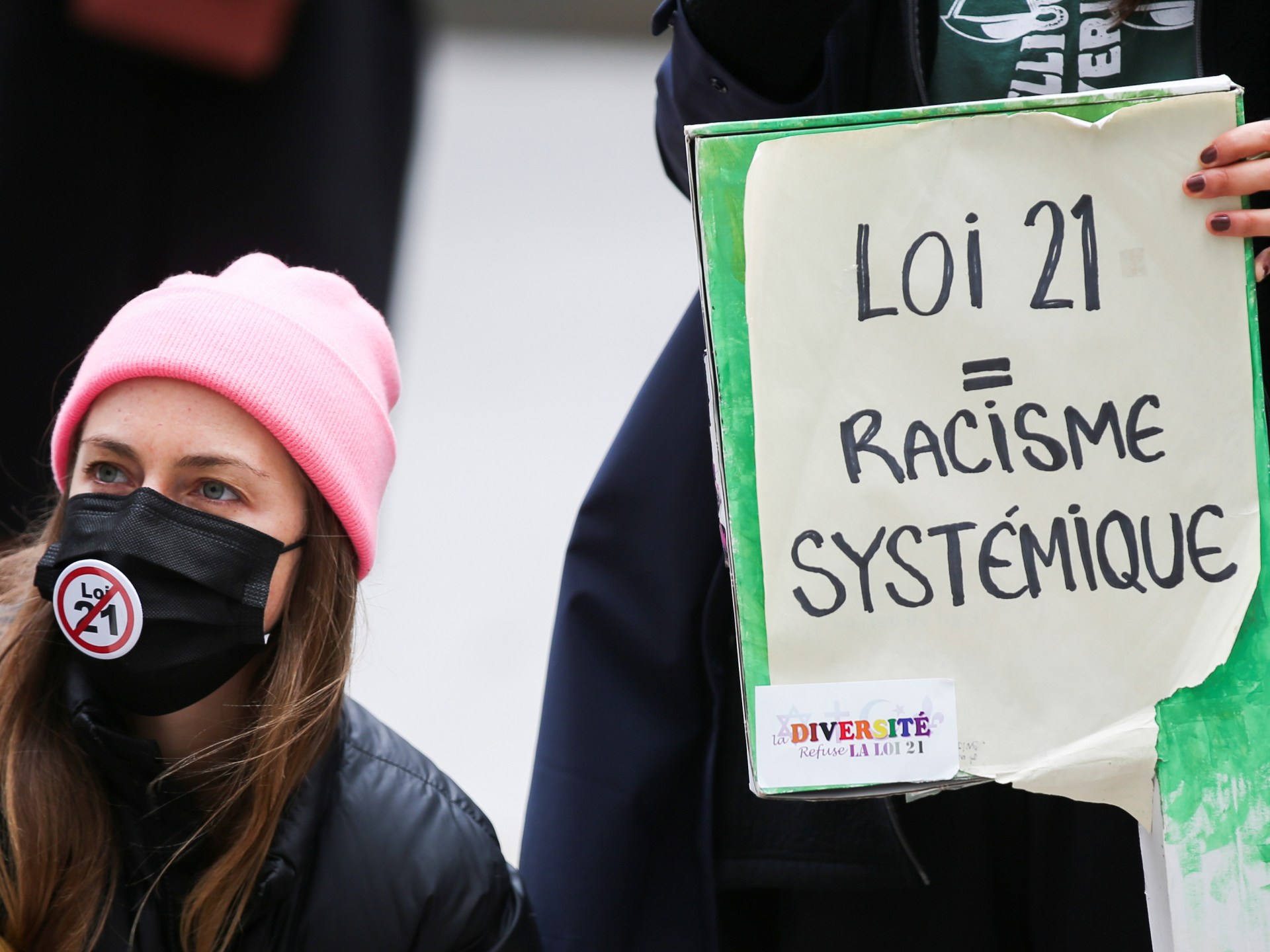
The Supreme Court of Canada will hear a case challenging Quebec's Bill 21, a law restricting public employees from wearing religious symbols. The court must dec
Supreme Court to Hear Case Challenging Quebec’s Bill 21
The Supreme Court of Canada will begin a four-day hearing for one of the most consequential constitutional cases in recent history. At issue is Quebec’s 'secularism law,' known as Bill 21, which prohibits public sector employees from wearing visible religious symbols at work.
Bill 21 and Its Implications
The case raises fundamental questions about religious freedom and the limits of state power in a constitutional democracy. The Quebec government used the notwithstanding clause to pass the bill, overriding fundamental rights. This has turned the spotlight on Bill 21 beyond Quebec and debates over secularism and religious freedoms.
Constitutional Challenge
Evidence before the courts shows that Bill 21 affects religious people of many faiths, particularly Muslim women who wear hijabs. The law effectively excludes individuals from public service careers based on their religion, sending a message of exclusion to young people.
Supreme Court’s Role
The Supreme Court must consider whether allowing governments to sidestep rights protections through pre-emptive use of constitutional override powers is constitutional. The ruling will help determine whether constitutional rights in Canada remain meaningful constraints on government power or can be suspended whenever politically convenient.
Impact Beyond Canada
Debates about secularism have increasingly centered on restrictions targeting religious expression, often impacting Muslim women in particular. Canada’s reputation as a model of multicultural democracy is at stake if the court upholds Bill 21. True secularism does not demand the erasure of religious identity; it allows citizens to participate fully in public life while preserving their beliefs.
The Supreme Court now has the opportunity to reaffirm principles that constitutional rights cannot be easily set aside. A ruling that upholds these principles will send an important signal about whether liberal democracies are willing to uphold their commitments to freedom and equality.
By news
6 months ago