Trump’s Pearl Harbor Remark Sparks Unease in Tokyo During Iran War Statement
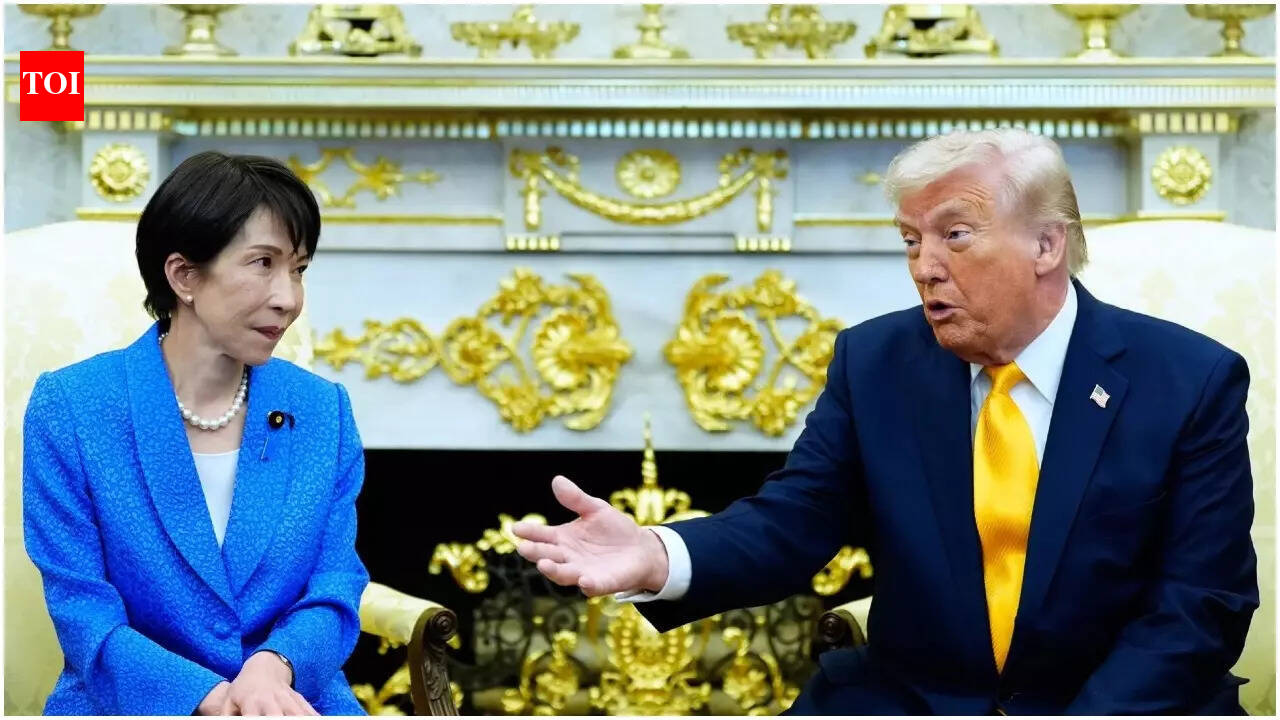
Japan experienced discomfort after President Donald Trump referenced the 1941 attack on Pearl Harbor to justify his secrecy before launching a war against Iran, with Japanese Prime Minister Sanae Takaichi seated beside him in Washington. The sensitivity surrounding public comments on Pearl Harbor intensified as US and Japanese officials typically avoid careless remarks about the subject.
Japan, Trump, Iran War, US-Israel-Iran War, Israel, Netanyahu
The incident occurred when Trump was asked by a Japanese reporter why he didn’t inform allies in Europe and Asia before the US attack on Iran. In response, Trump cited Pearl Harbor, stating, "Who knows surprise better than Japan?" His remark drew accusations of ignorance and disrespect, with some calling for Japan to protest the comment.
The Asahi newspaper criticized Trump’s remarks in an editorial, saying they "should not be overlooked," while the Nikkei newspaper featured opinions from experts like Tsuneo Watanabe, who argued that Trump’s comment indicated he was "not bound by existing American common sense" and suggested an unequal treatment of Japan as a partner.
Sanae Takaichi remained composed during the summit, choosing not to confront Trump, which drew mixed reactions. Some criticized her for not speaking up, while others praised her for maintaining decorum and focusing on deepening ties with her most important ally.