Global South economies brace as US-Israeli war with Iran drives up energy costs
Mar 25, 2026
 United States
Business/Economics
United States
Business/Economics
United States
Business/Economics
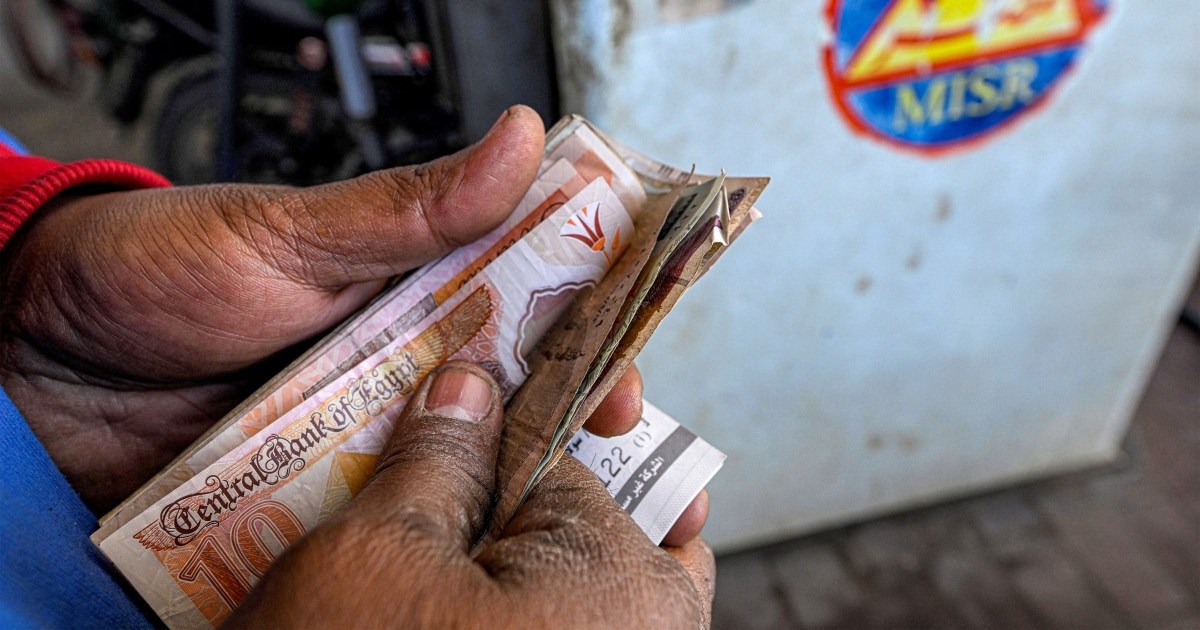
Economies in the Global South face high energy costs due to the US-Israeli war with Iran, leading to fuel shortages, price hikes, and economic instability.
Economies in the Global South Grapple with Energy Costs
As the conflict between the United States and Israel with Iran intensifies, several countries in the Global South are facing significant challenges due to rising energy prices. These nations, including Pakistan, Bangladesh, Sri Lanka, Jordan, Egypt, and others, have become increasingly dependent on imported energy sources which are now becoming scarce and expensive following the closure of key shipping routes and attacks on oil facilities in the Gulf region.
Government officials in these countries are scrambling to implement measures such as fuel rationing, reduced working hours, and price subsidies to mitigate the impact on their populations. However, experts caution that the economic fallout could become more severe as the conflict continues, potentially leading to hyperinflation, currency depreciation, and widespread social unrest.
The war's ripple effects are further straining already vulnerable economies, which have limited financial resources to provide a safety net for their citizens. With high levels of poverty and debt, these nations are increasingly at risk of experiencing fiscal crises as they attempt to balance public finances with the rising costs of essential goods and services.
While some governments have introduced austerity measures, these efforts are proving insufficient given the ongoing conflict's unpredictability. The global economic uncertainty created by the war is making it more challenging for developing nations to stabilize their economies and maintain social cohesion.
By news
6 months ago