Israeli Incursion in Damascus Countryside Kills 9 Syrians; Troops Wounded Amid Escalating Golan Heights Conflict
Nov 28, 2025
 Syria
Middle East Conflict
Syria
Middle East Conflict
Syria
Middle East Conflict
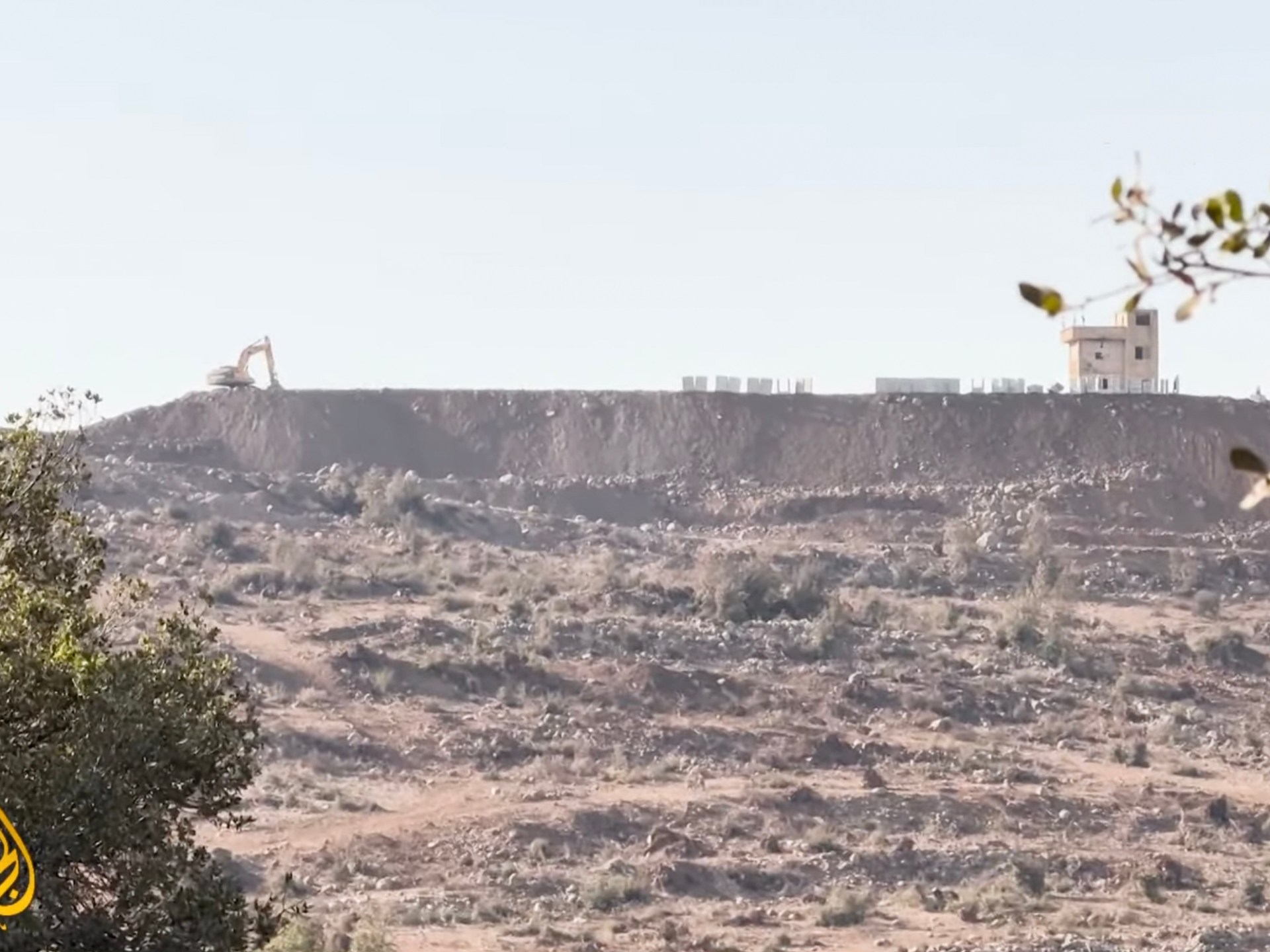
An Israeli dawn raid in Syria's Damascus countryside killed 9 Syrians and wounded Israeli soldiers. The incident follows increased Israeli incursions and occupa
Israeli Incursion Escalates Tensions in Syria's Damascus Countryside
A recent Israeli military operation in Syria's Damascus countryside resulted in the deaths of at least nine Syrians, according to Syrian state media reports. The dawn raid, which also saw several Israeli soldiers wounded in clashes, has further exacerbated tensions in the region. Local sources corroborated accounts of casualties in Beit Jinn, a town subjected to Israeli artillery and missile strikes.
Following the incursion, confrontations erupted between residents and the invading Israeli forces. The Israeli military confirmed six of its soldiers sustained injuries, three seriously, during an exchange of fire. An Israeli news outlet, Yedioth Ahronoth, indicated that an Israeli unit, having entered Beit Jinn, found itself surrounded, necessitating air strikes and artillery shelling for extraction and withdrawal. This operation unfortunately led to Syrian fatalities and injuries, with Israeli military helicopters reportedly involved in exchanges of fire over the town.
Escalating Israeli Presence in Syrian Territory
Such Israeli ground incursions into Syrian territory, particularly in Quneitra province within the occupied Golan Heights and Damascus countryside, have become increasingly frequent, audacious, and violent. This escalation is particularly notable since Israel expanded its occupation in southern Syria after President Bashar al-Assad's removal in December 2024. While Israel has held parts of the Syrian Golan Heights since the 1967 war, the post-Assad period saw Israel violate a 1974 agreement, seizing more land along the border to establish a "buffer zone," including the strategic Jabal al-Sheikh summit.
Even prior to al-Assad's fall, Israel conducted bombing campaigns in Syria, targeting an ally of its regional adversary, Iran. However, instead of pursuing a new diplomatic path with Syria's nascent government, Israel has intensified its bombing efforts and increased the frequency of strikes, even hitting targets in the capital, Damascus, and causing casualties among Syrian soldiers, including a strike on the Ministry of Defence.
Netanyahu's Visit and Syrian Challenges
Adding to the regional volatility, Israeli Prime Minister Benjamin Netanyahu's recent appearance with Israeli troops in what Damascus views as illegally occupied Syrian territory sparked anger and cast further doubt on prospects for a security agreement between the two nations. Netanyahu's visit, accompanied by senior officials, underscored his unwavering hardline stance on Syria, despite encouragement for dialogue from the United States.
In Quneitra province, the Israeli military has established checkpoints, patrols, and even gates, stopping and searching civilians, leading to alleged abductions. While Israel frames these as security operations, Syrian authorities and human rights groups classify them as abductions or unlawful arrests, with reports of up to 40 detentions in recent weeks. The new Syrian government under President Ahmed al-Sharaa faces the immense challenge of not only these external pressures but also containing sectarian violence in a nation devastated by 14 years of civil war, as it strives to re-engage with the international community and secure vital economic lifelines.
By news
6 months ago
No cameras found for this country.