France Shifts Policy: Interceptions in English Channel to Deter Small Boats
In a significant policy shift, France has agreed to commence intercepting small boats attempting to cross the English Channel. This crucial decision comes after sustained pressure from the United Kingdom and marks a departure from previous practices where French police rarely intervened with departing vessels, primarily due to perceived safety risks for both officers and civilians.
UK Pressure and Starmer's Urgent Call
The catalyst for this policy change appears to be a direct appeal from UK Prime Minister Sir Keir Starmer to French President Emmanuel Macron. As reported by Le Monde, Sir Keir's letter underscored the urgent need for effective deterrents in the Channel, stating unequivocally, "We have no effective deterrent in the Channel."
This communication highlighted the UK's frustration with the perceived lack of intervention, pushing for a more robust approach to disrupt illegal crossings.
New Maritime Policing Guidelines
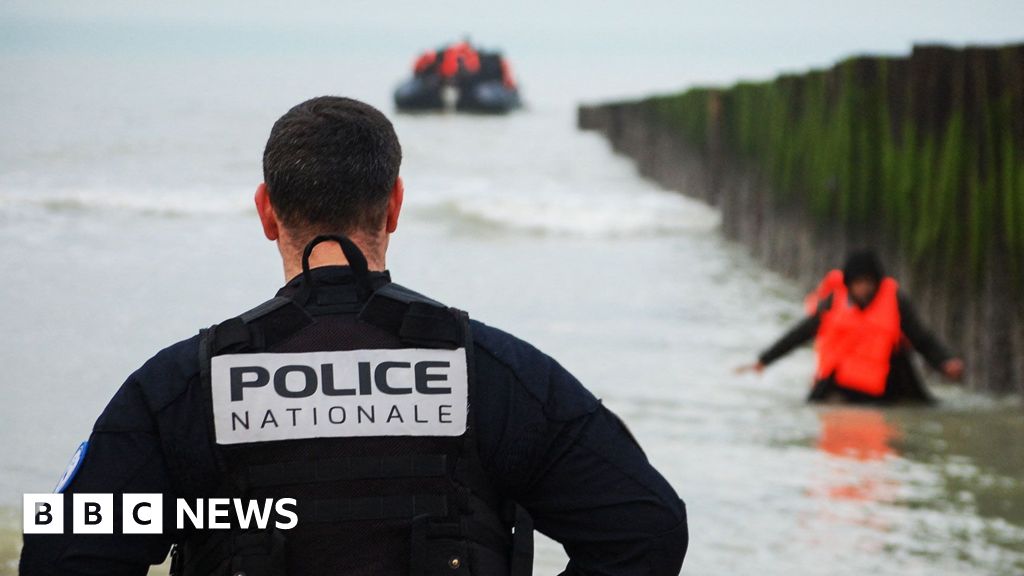
Under the freshly agreed guidelines, French maritime police will now be authorized to stop small boats at sea. Crucially, these interventions will occur before the vessels have picked up passengers from the beaches along the northern French coastline. While this represents a major step forward in operational strategy, French authorities have explicitly ruled out the use of certain aggressive methods. Specifically, the deployment of nets to disable boat propellers – a tactic previously speculated by Le Monde – will not be utilized.
A spokesperson for the French maritime police confirmed the new approach to the BBC, emphasizing that the primary objective behind these interventions is the paramount safeguarding of human life.
Historical Context and Previous Attempts
This development follows earlier attempts within France to adopt a more robust stance on Channel crossings. Notably, former Interior Minister Bruno Retailleau had advocated for such interceptions last summer, although he conceded the complexities posed by France's existing maritime policing regulations.
An incident observed by the BBC in March, where French police were seen wading into the sea south of Boulogne to slash the sides of a boat, was at the time dismissed by French authorities as an isolated event, not indicative of a broader strategic shift. The UK side has expressed a notable sense of surprise regarding the time taken to implement solutions to problems that Retailleau had already identified and pledged to fix.
Challenges Ahead: Winds and Smuggling Gangs
The immediate commencement of these new interception tactics is currently being delayed by strong winds. Furthermore, authorities anticipate that people-smuggling gangs will actively seek to adapt their tactics to circumvent these new measures, a pattern they have consistently demonstrated in the past.
A UK government spokesperson reaffirmed the ongoing close collaboration with French partners on the shared challenge of illegal migration, reiterating efforts to ensure French officers review their maritime tactics for effective interventions, particularly in shallow waters.
This evolving policy underscores the ongoing bilateral efforts between France and the UK to address irregular migration across one of the world's busiest shipping lanes.