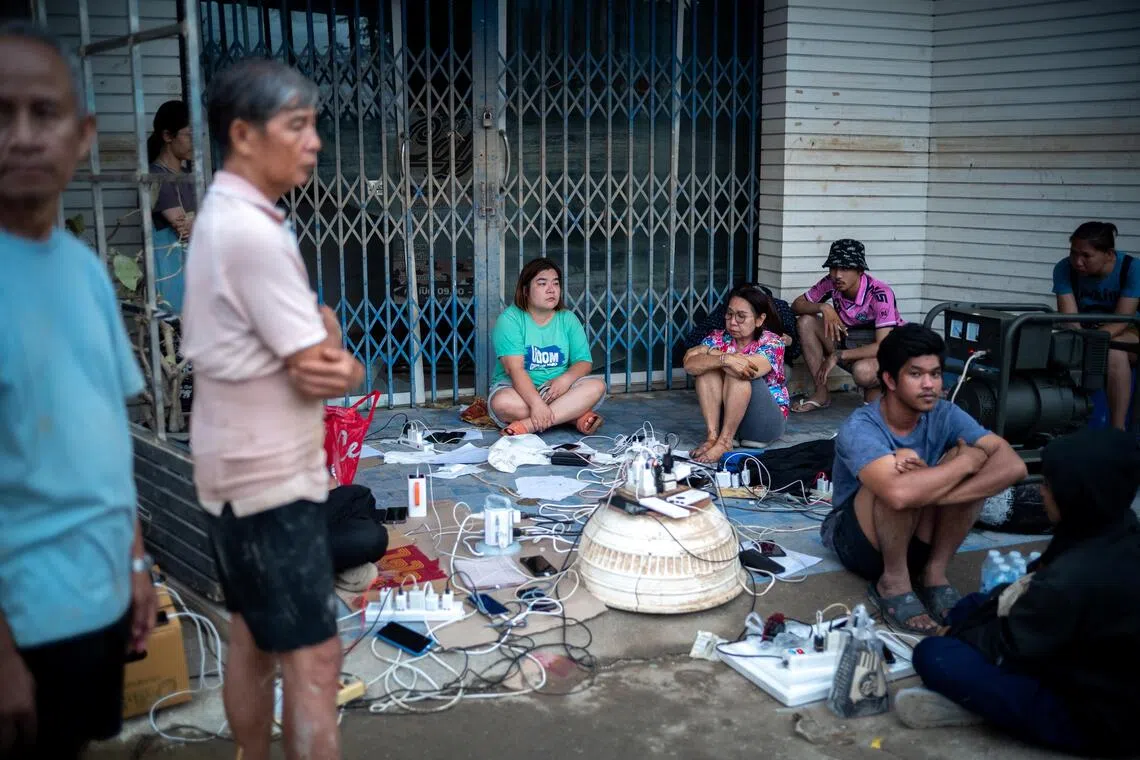
Southern Thailand is currently grappling with its most severe flooding in a decade, prompting extensive cleanup operations and a public apology from Prime Minister Anutin Charnvirakul for the widespread devastation. This catastrophic event, fueled by heavy monsoon rains, has deluged parts of Thailand, Malaysia, and Indonesia, tragically claiming over 300 lives and leaving thousands stranded, many clinging to rooftops awaiting rescue.
Devastation in Songkhla and Hat Yai
In Thailand's southern Songkhla province, particularly the hard-hit Hat Yai district, floodwaters reached alarming levels of three meters. This extreme situation tragically resulted in at least 145 fatalities in Thailand alone. The sheer scale of the crisis was underscored when a local hospital morgue became overwhelmed, forcing staff to move bodies into refrigerated trucks to manage capacity.
Prime Minister's Apology and Relief Efforts
Prime Minister Charnvirakul personally visited an evacuation shelter in Hat Yai on November 28, where he expressed profound remorse. "I really have to apologise to them for letting this happen during the time I am in government," he stated to reporters. He committed to swift action, outlining a two-week timeframe for the district's cleanup and vowing to implement broader strategies to prevent the situation from worsening.
The Thai government has rapidly rolled out critical relief measures to aid those affected. This includes substantial compensation, offering up to 2 million baht (approximately S$80,800) for households that have tragically lost family members.
Challenges Beyond the Waters: Looting and Criticism
As floodwaters gradually receded, the immediate dangers were replaced by other pressing issues. Shop owner Rachane Remsringam, for instance, discovered his general goods store, "Madam Yong," had been looted and vandalised, leading to hundreds of hundreds of thousands of dollars in devastating losses. This added burden highlights the multifaceted impact of such disasters.
Compounding the tragedy, public criticism regarding Thailand's flood response has intensified. This has led to the suspension of two local officials due to alleged failures in their duties. An opposition Member of Parliament from the People’s Party publicly lambasted the administration, asserting that it had "wrongly estimated the situation" and made "errors in handling the flood crisis."
Regional Impact and Climate Change Link
The widespread heavy monsoon rain also inflicted severe damage across the region. In Indonesia, officials on Sumatra island reported a grim tally of at least 174 deaths and nearly 80 individuals still missing due to floods and landslides. Neighboring Malaysia also recorded two fatalities, with northern Perlis state submerged under water.
While the annual monsoon season typically brings heavy rainfall between June and September, this year's conditions have been drastically exacerbated by a tropical storm. Experts point to climate change as a significant factor, influencing storm patterns, increasing the duration and intensity of the monsoon season, and leading to more extreme rainfall and flash floods. A warmer climate retains more moisture, resulting in more intense rain events, while warmer oceans can amplify the strength of storm systems, making natural disasters like this more frequent and severe.