Trump Administration Halts All Immigration Applications from 19 Non-European Nations Citing National Security & Public Safety
Dec 3, 2025
 United States
Politics & Immigration
United States
Politics & Immigration
United States
Politics & Immigration
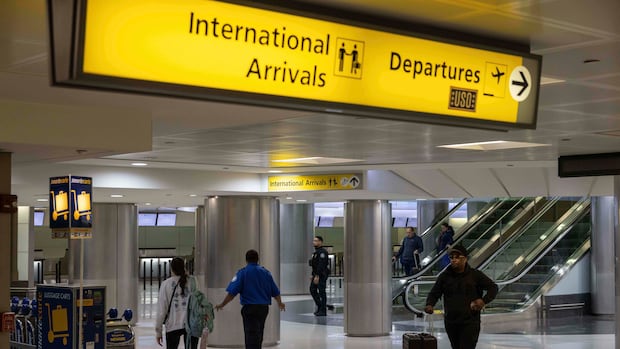
Trump's administration pauses all immigration applications from 19 non-European nations, including green cards, citing national security. The policy follows an
Trump Administration Halts Immigration Applications from 19 Non-European Nations
The Trump administration has announced a sweeping halt to all immigration applications originating from 19 non-European countries. This includes crucial processes such as green card applications and U.S. citizenship processing, with the official rationale citing significant concerns over national security and public safety. This policy shift was revealed on the same day President Trump publicly disparaged Somali immigrants in the U.S., labeling them as 'garbage'.
Expanded Restrictions and Targeted Nations
This broad suspension affects nations previously subjected to partial travel restrictions imposed in June, intensifying the administration's focus on immigration control—a cornerstone of President Trump's political agenda. Among the countries explicitly named are Afghanistan and Somalia.
The official memorandum detailing the new policy points to a recent incident in Washington, D.C., where an Afghan national was arrested as a suspect in an attack on U.S. National Guard members. The assault tragically resulted in the death of one guard member and critically wounded another, fueling the administration's argument for stricter measures.
Rhetoric and Local Impact
Simultaneously, President Trump has escalated his rhetoric against the Somali community, employing harsh language and asserting they are unwelcome in the country. Despite approximately 80,000 Somalis residing in Minnesota, many contributing significantly to the Twin Cities' economy and culture, Minneapolis Mayor Jacob Frey has championed their role, emphasizing that the vast majority are U.S. citizens and that any immigration action risks ensnaring legal residents. Earlier, Trump had also moved to terminate temporary deportation protections for Somalis in Minnesota, alleging unproven 'Somali gangs' were terrorizing the state.
Shift in Immigration Enforcement Priorities
Since returning to office in January, the Trump administration has aggressively pursued immigration enforcement, deploying federal agents to major U.S. cities and turning away asylum seekers at the U.S.-Mexico border. While past efforts primarily focused on deportations, this new directive marks a heightened emphasis on reshaping legal immigration, often framed as a response to perceived national security threats and criticisms of former President Joe Biden's policies.
Countries Under New Review
The expanded list of targeted countries subject to severe restrictions (full suspension of entries with few exceptions) now includes Afghanistan, Burma, Chad, the Republic of the Congo, Equatorial Guinea, Eritrea, Haiti, Iran, Libya, Somalia, Sudan, and Yemen. Nations facing partial restrictions in June—Burundi, Cuba, Laos, Sierra Leone, Togo, Turkmenistan, and Venezuela—are also part of the 19-country pause.
New Application Review Process
The new directive places pending applications on hold and mandates a 'thorough re-review process' for all immigrants from these countries. This includes potential initial or follow-up interviews to comprehensively evaluate all perceived national security and public safety risks. The American Immigration Lawyers Association (AILA) has already reported instances of cancelled oath ceremonies, naturalization interviews, and adjustment of status interviews for individuals from the affected nations.
By news
8 months ago