High-Stakes US-Russia Talks on Ukraine End Without Territorial Compromise
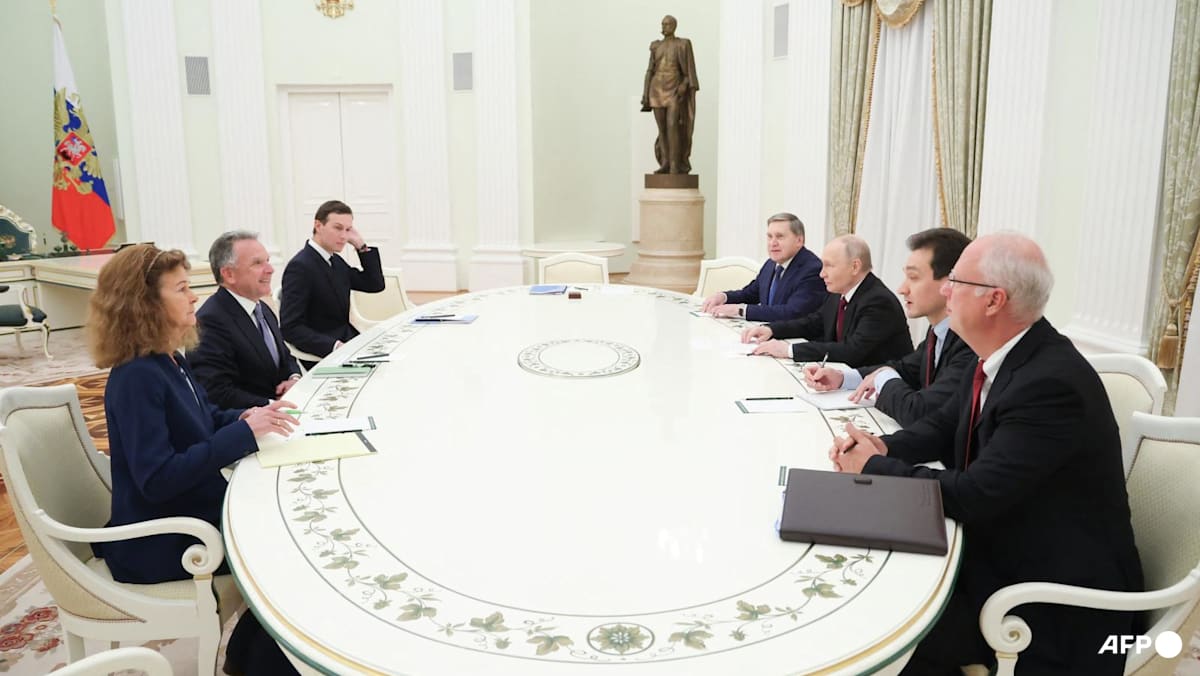
Moscow, December 2, 2025 – Crucial negotiations between the United States and Russia, aimed at resolving the protracted conflict in Ukraine, concluded on Tuesday with no breakthrough on the contentious issue of territory. Despite five hours of discussions in the Kremlin, Russian presidential aide Yuri Ushakov confirmed that "no compromise" had yet been reached regarding the key question of occupied Ukrainian lands.
Sticking Points and Revised Peace Plans
The high-level meeting saw Russian President Vladimir Putin host US President Donald Trump’s son-in-law Jared Kushner and special envoy Steve Witkoff. The central agenda revolved around a US-backed peace plan, which had been significantly revised following concerns from Kyiv and its European allies. The initial American proposal, revealed last month, was reportedly perceived as too favorable to Moscow, prompting accusations – denied by Washington – that Russia had influenced its drafting.
Ushakov acknowledged that while some American solutions were open for discussion, "some proposed formulations do not fit us, and work will continue." He indicated that the initial US plan was broken into four parts, with "some points we could agree on," but Putin expressed a "critical, even negative, stance on a number of proposals." Russia continues to demand that Ukraine surrender territories Moscow claims as its own and rejects any European peacekeeping force to monitor a truce.
Ukraine's Firm Stance and Russian Pressure
Ukrainian President Volodymyr Zelenskyy had earlier emphasized that any peace initiative must lead to a definitive end to the war, not merely a temporary pause. He unequivocally stated via social media that "there will be no simple solutions," insisting on fairness, transparency, and that "nothing is decided without Ukraine – about us, about our future." Zelenskyy highlighted territory, frozen Russian assets, and security guarantees as the most challenging issues.
Meanwhile, Russian President Putin struck a hawkish tone before the talks, referencing the recently captured east Ukrainian stronghold of Pokrovsk as a "good foothold for solving all the tasks set at the beginning of the special military operation." Ukraine faces intense pressure on multiple fronts, including rapid Russian advances in the east, domestic corruption scandals, and intensified drone and missile attacks that have crippled infrastructure and left hundreds of thousands without vital services. Putin also issued a stark warning to Europe, declaring, "We are not planning to go to war with Europe, but if Europe wants to and starts, we are ready right now."
Diplomatic Efforts and Broader Concerns
Despite the lack of a major breakthrough, Ushakov described the Moscow talks as "useful," noting that Russian and US positions did not diverge further. US Secretary of State Marco Rubio, in an interview, suggested "some progress" had been made.
The inclusion of Jared Kushner in these critical discussions marked a notable development, as it was reportedly his first direct engagement with Putin on the Ukraine conflict, following his earlier role in brokering a ceasefire between Israel and Hamas. European nations remain anxious that Washington and Moscow might unilaterally strike a deal that undermines Ukraine's interests or compels it into unfair concessions. Kyiv suspects Moscow's true motivation for these talks is to alleviate Western sanctions.
The path to peace in Ukraine remains fraught with complex territorial disputes and entrenched positions, as diplomatic efforts continue amid ongoing military and political pressures.