Democrats Propose Limits on Immigration Judges Amid Mass Layoffs & Trump Administration's Reshaping of Courts
Dec 3, 2025
 United States
US Politics & Immigration Law
United States
US Politics & Immigration Law
United States
US Politics & Immigration Law
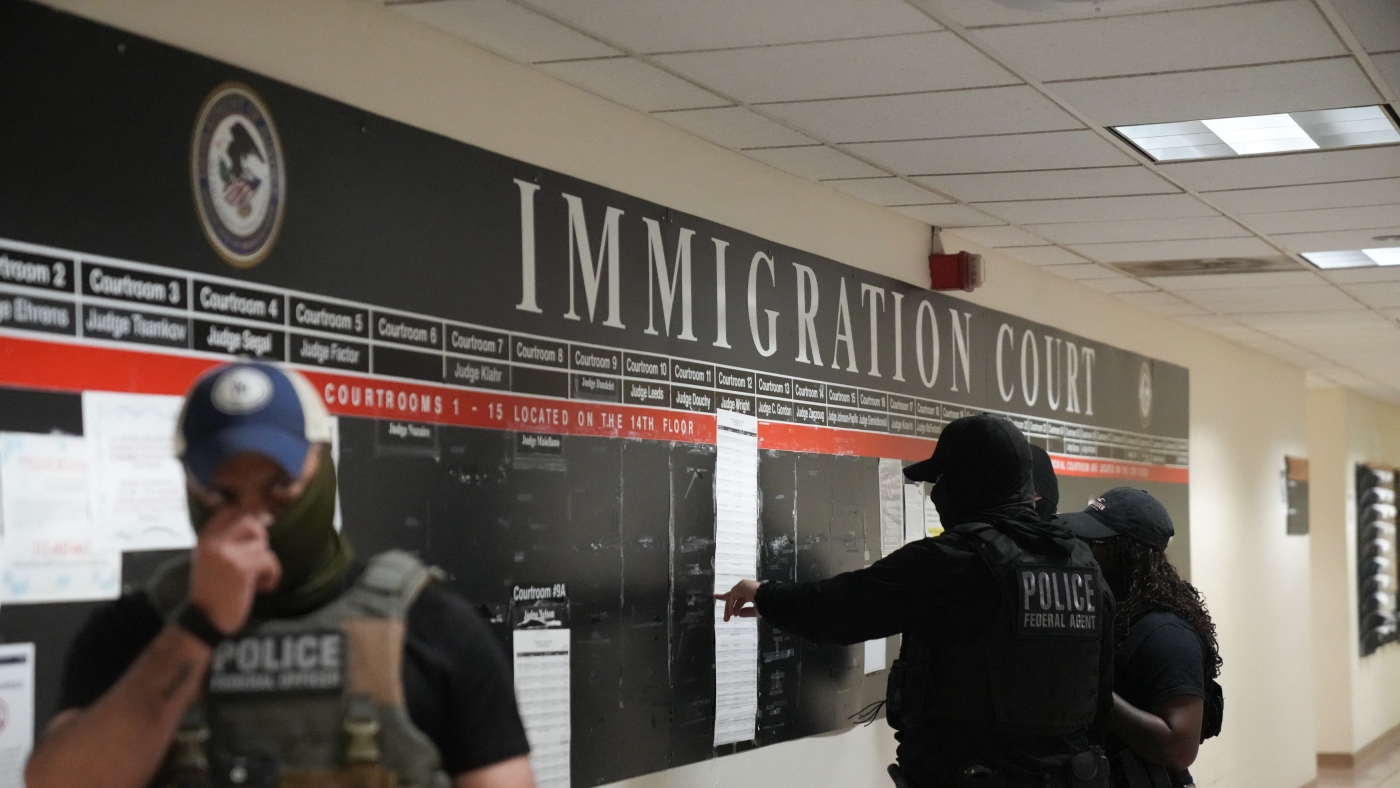
Democrats introduce a bill to limit temporary immigration judge appointments after the Trump administration fired over 140 judges, raising due process concerns
Democrats Seek to Limit Immigration Judge Appointments Amid Mass Layoffs
A new legislative effort by Democrats aims to restrict who can serve as temporary immigration judges, directly challenging the Trump administration's recent wave of judicial terminations and its controversial hiring practices. Senators Adam Schiff (California) and Representative Juan Vargas introduced a bill on Wednesday, December 3, 2025, proposing that temporary immigration judges must have either served on appellate panels, acted as administrative judges in other agencies, or possess a minimum of ten years of immigration law experience.
Context: Administration's Reshaping of Immigration Courts
This proposed legislation directly counters the administration's initiative to appoint up to 600 military lawyers as temporary immigration judges by removing the previous requirement for immigration law experience. The timing follows the termination of at least 14 experienced immigration judges in the preceding two weeks, according to their union, adding to over 90 other firings throughout the year as tracked by NPR and the union. These dismissals are perceived by many as an attempt by the administration to fundamentally reshape the immigration court system and influence decisions on who remains in the U.S.
Without Republican co-sponsors, the bill faces an uphill battle in a GOP-controlled Congress. However, it intensifies the scrutiny Democrats have directed at the administration’s handling of immigration courts and its personnel decisions. Critics, including former immigration judges and legal professionals, warn that bringing in inexperienced personnel, particularly for short stints like those proposed for military lawyers (JAGs), could lead to a steep learning curve and potential violations of due process.
Concerns Over Due Process and Justice System Integrity
Senator Schiff voiced strong concerns to NPR, stating, "The Trump administration's willingness to fire experienced and impartial immigration judges and hire inexperienced or temporary 'deportation judges,' especially in places like California, has fundamentally impacted the landscape of our justice system." He further emphasized the heightened risks to families, fairness, and due process due to what he termed "unlawful terminations" and the plan to leverage temporary positions for a "mass deportation agenda."
The administration’s rationale for authorizing military lawyers as temporary judges was to address the massive backlog of immigration cases, which has only grown worse despite efforts to restructure the Justice Department-housed immigration courts. NPR has documented at least 140 immigration judges who have either been fired, resigned, or accepted early retirement offers under the current administration. Of those fired between February and October this year, a significant number had backgrounds in immigration defense, an NPR investigation revealed.
Impact on Judges and Case Backlogs
The latest wave of firings impacted courts in key cities like San Francisco, New York, and Boston. New York alone saw at least seven judges dismissed from one court. While some terminations targeted employees within their two-year probationary period, at least 13 experienced judges, with years of service, were also let go.
Jeremiah Johnson, an immigration judge in San Francisco since 2017, was among the recently terminated. He received a concise email just before Thanksgiving, with no explanation for his dismissal, despite believing his performance was satisfactory and even serving as a learning environment for new ICE lawyers. He highlighted his efforts to maintain morale and efficiently handle cases, including new responsibilities for detainees at the Eloy Detention Center in Arizona. "I was fired for doing my job. And frankly, I think this administration doesn't want judges following the law," Johnson asserted.
Agency's Defense and Hiring Campaigns
The Executive Office for Immigration Review (EOIR), which oversees immigration courts, refutes claims that it prioritizes judges inclined towards deportation. EOIR maintains that all judges are evaluated impartially based on conduct, adherence to law, productivity, and professionalism. Some terminated judges have filed lawsuits, alleging discrimination based on protected grounds. Attorney General Pam Bondi notably mentioned being sued by a fired judge claiming gender discrimination.
Concurrently, the administration has appointed 36 new judges, including 25 temporary ones, and launched a hiring campaign for "deportation judges," offering incentives for positions in high-need courts in New York, California, and Massachusetts. The campaign promotes roles that "define America for generations" and "restore integrity and honor" to the immigration court system, with remote and teleworking benefits, despite most immigration hearings requiring in-person attendance.
Exacerbating the Backlog
Each judicial termination or resignation exacerbates the existing case backlog, pushing hearings for this year as far out as 2030. Immigration advocates stress that these layoffs directly contribute to the growing backlog. Kathryn Mattingly, an EOIR spokeswoman, stated that reducing the backlog is a top priority for the agency, affirming its commitment to operational efficiency to ensure "timely justice for both parties involved and the public it serves."
By news
8 months ago