Airbus Cuts A320 Deliveries Amid Fuselage Panel & Software Issues; Quality Concerns Mount as Shares Drop
Dec 3, 2025
 France
Aerospace Industry
France
Aerospace Industry
France
Aerospace Industry
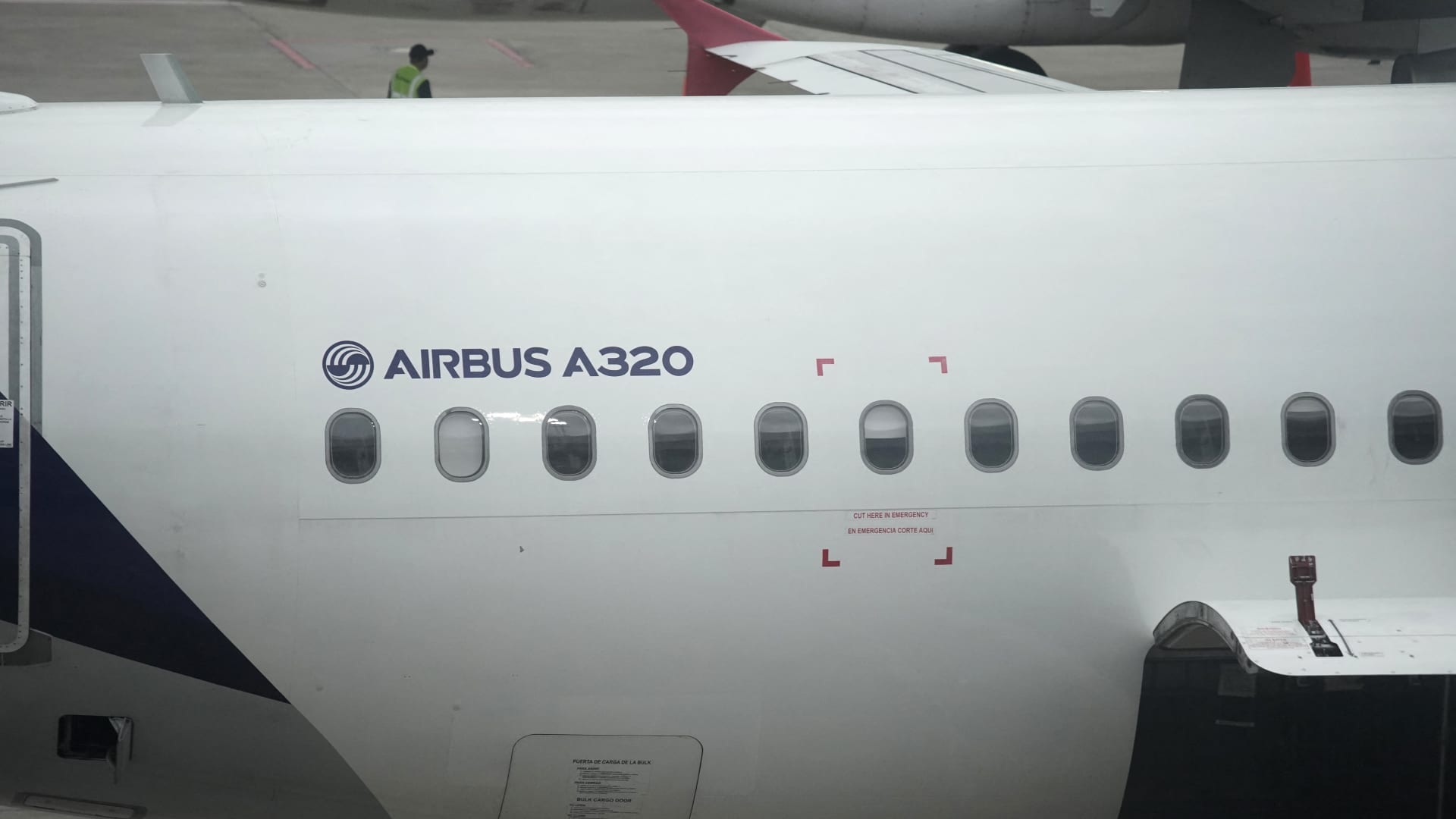
Airbus has reduced its 2025 A320 delivery target by 30 aircraft due to fuselage panel quality issues. The move follows recent software fixes that grounded its f
Airbus Revises 2025 Deliveries Downward Amid A320 Quality Concerns
The European aerospace giant, Airbus, has revised its commercial aircraft delivery forecast for 2025 downwards, attributing the adjustment to a recent quality concern involving fuselage panels on its popular A320-series aircraft. The company now anticipates delivering 30 fewer aircraft next year, targeting a total of 790 units.
Unfolding Challenges: From Software Glitches to Fuselage Flaws
This decision follows a turbulent period for the planemaker. Last week, Airbus issued an immediate software fix impacting approximately 6,000 A320-series jets, which led to a significant portion of its narrow-body fleet being temporarily grounded and caused disruptions for travelers globally. Reports on Monday then highlighted a flaw affecting dozens of A320-family aircraft. Airbus subsequently confirmed a quality issue with a "limited number" of metal panels, assuring that the problem's source has been "identified and contained." According to an anonymous source familiar with the matter, the fuselage panel issue is linked to parts supplied by Spanish company Sofitec Aero.
Market Reaction and Financial Resilience
Initially, investors reacted with apprehension. Airbus's Paris-traded stock saw a nearly 7% drop on Monday and Tuesday amidst fears of broader quality control problems, reminiscent of the challenges faced by its competitor, Boeing. However, shares rebounded by 4.3% on Wednesday after the revised guidance, suggesting a degree of investor relief once the scope of the issue was clarified.
Despite the reduction in delivery targets, Airbus maintained its financial guidance, initially provided in October. The company still projects adjusted earnings before interest and taxes (EBIT) of 7 billion euros and free cash flow before customer financing of approximately 4.5 billion euros. Analysts from Jefferies noted that not all 30 aircraft removed from the delivery guide are expected to require parts changes; many will only need non-destructive testing. They also highlighted that the affected part is dual-sourced, with the quality escape confined to just one supplier, which has since been resolved at the production level.
Broader Industry Context: Quality Scrutiny
Airbus's current challenges also unfold against a backdrop of industry-wide scrutiny, particularly concerning quality control. Rival Boeing has been grappling with persistent issues, intensifying after a door plug detached mid-flight from an Alaska Airlines 737 MAX last year. While Boeing has shown signs of recovery, with its CFO expecting increased deliveries for 737 and 787 jets next year, Airbus's recent difficulties underscore the ongoing pressures on major aircraft manufacturers. The software update issued by Airbus also connects to an October 30 incident where a JetBlue A320 experienced a sudden altitude drop due to a flight control issue, leading to an emergency landing and injuries.
By news
8 months ago