US Private Sector Sheds 32,000 Jobs in November, Sparking Rate Cut Hopes Amid Economic Uncertainty
Dec 3, 2025
 United States
Economy
United States
Economy
United States
Economy
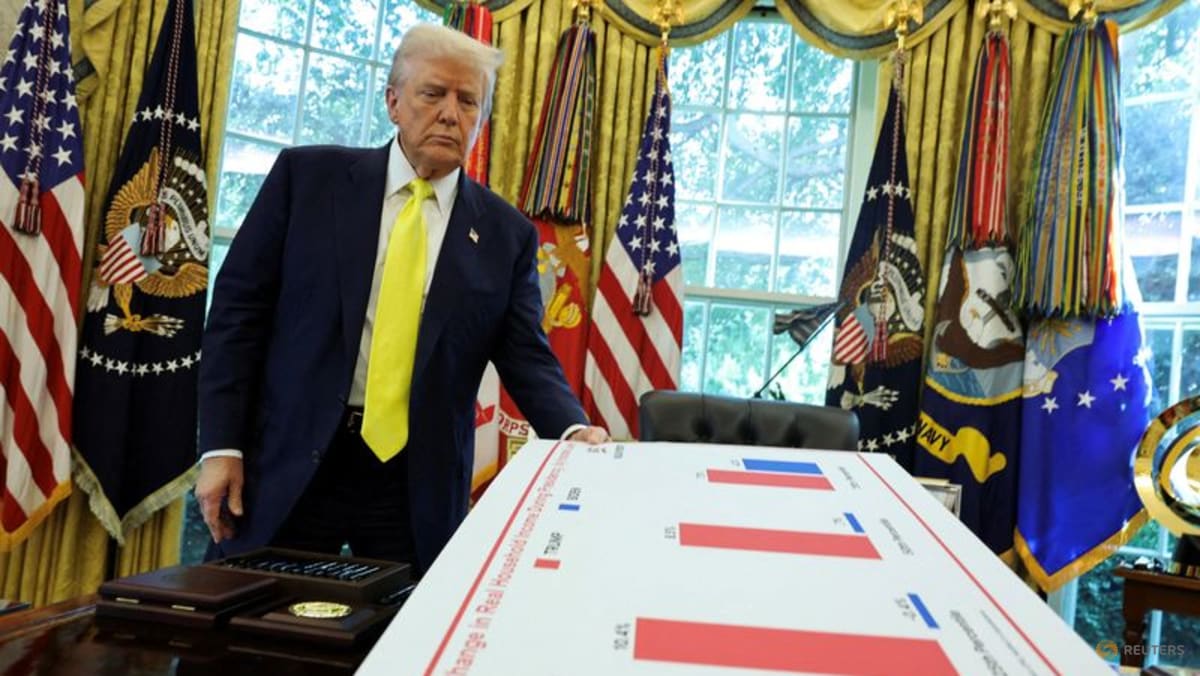
The US private sector surprisingly lost 32,000 jobs in November, contrasting forecasts for growth. This bolsters expectations for an interest rate cut.
US Private Sector Sees Unexpected Job Losses in November
The United States private sector experienced an unexpected contraction in employment during November, shedding 32,000 jobs. This surprising drop, reported by payroll firm ADP on Wednesday, sharply contradicts economists' projections that anticipated a net increase of up to 40,000 new positions. The unexpected figures are now strengthening the case for a potential interest rate reduction by the Federal Reserve next week.
Contradictory Economic Signals
This downturn comes despite President Donald Trump's consistent praise for the nation's economic health. Forecasts had widely anticipated an upward trend in monthly employment data, making the actual decline a significant deviation.
Nela Richardson, ADP's chief economist, commented on the fluctuating nature of recent hiring trends. "Hiring has been choppy of late as employers weather cautious consumers and an uncertain macroeconomic environment," she stated. Richardson further highlighted that while November's slowdown was widespread across industries, it was particularly pronounced due to a significant pullback in hiring among small businesses.
Implications for Federal Reserve Policy
While the ADP data is sometimes viewed with skepticism by certain analysts regarding its reliability, it remains a closely monitored indicator for the US economy. Its importance is amplified, especially when official government employment data is incomplete, as was the case recently due to a federal government shutdown that has since concluded.
Expectations for US interest rate cuts received further momentum following Tuesday's reports. Kevin Hassett, a prominent economic advisor to President Trump and a strong advocate for looser monetary policy, is reportedly a frontrunner to lead the Federal Reserve once Chairman Jerome Powell's term concludes in May. While some members of the central bank's policy board support a rate reduction, there's an ongoing internal debate over whether the priority should be addressing the softening labor market or the persistently high inflation levels.
This unexpected decline in private sector employment adds a new layer of complexity to the Federal Reserve's upcoming policy decisions, with market watchers keenly awaiting their next move.
By news
8 months ago