Afghan & Pakistani Forces Clash on Border Amid Failed Peace Talks: Tensions Escalate as Accusations Mount
Dec 6, 2025
 Afghanistan
International Conflict
Afghanistan
International Conflict
Afghanistan
International Conflict
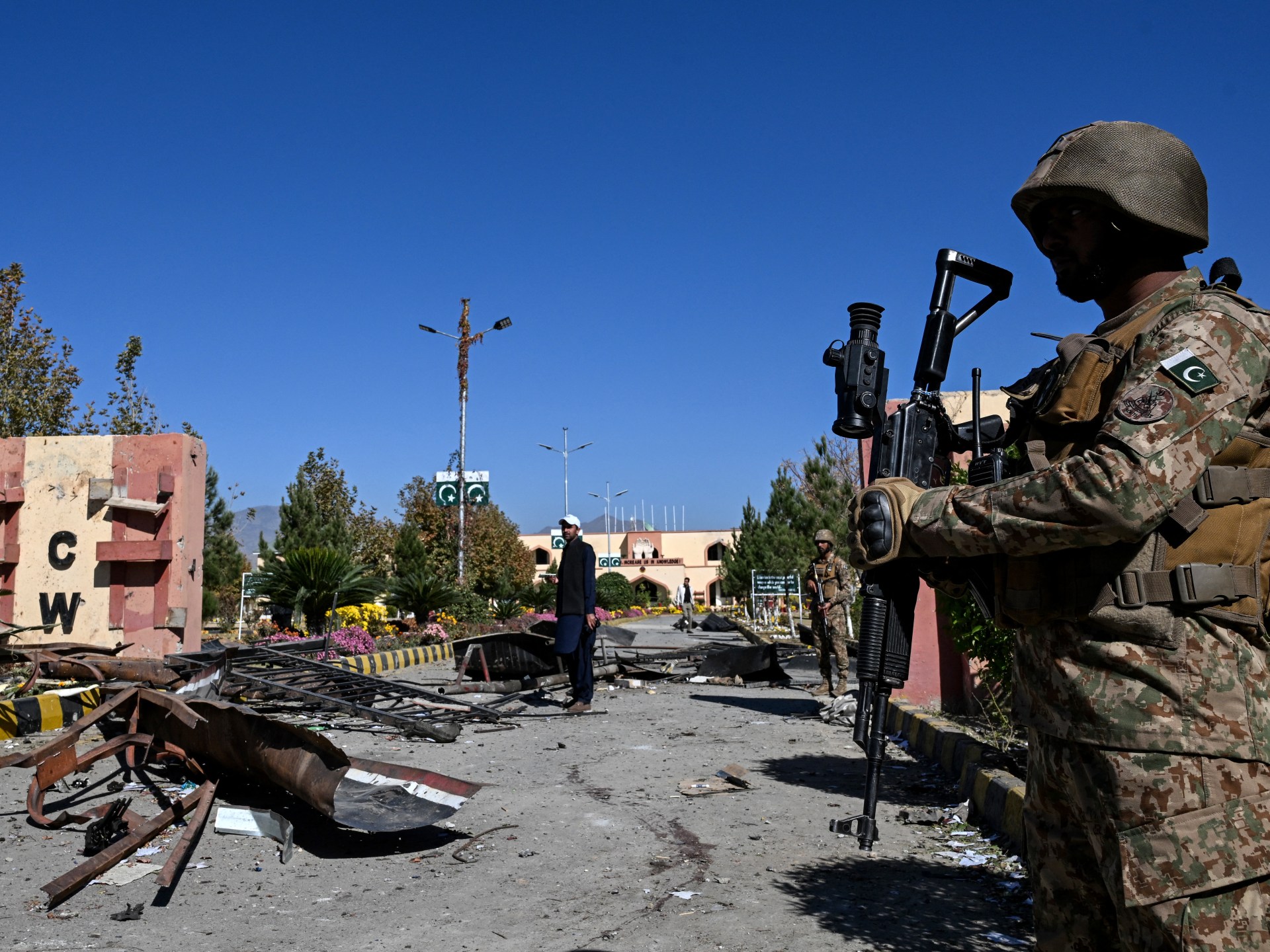
Afghan and Pakistani forces clashed along their shared border after peace talks failed. Both sides accuse each other of initiating fire, escalating tensions fue
Afghan & Pakistani Forces Clash Amid Failed Peace Talks
Tensions between Afghanistan and Pakistan have once again flared, as forces from both nations engaged in heavy cross-border fire following the breakdown of recent peace negotiations in Saudi Arabia. The exchange of artillery fire, which erupted late Friday night, saw each side accuse the other of initiating hostilities.
A Deepening Rift
The latest skirmishes highlight a persistent strain in relations between the South Asian neighbors, particularly since the Taliban's resurgence to power in Afghanistan in 2021. Islamabad frequently alleges that Kabul provides safe haven to various armed groups, most notably the Tehrik-i-Taliban Pakistan (TTP), an organization considered an ideological offshoot of the Afghan Taliban and responsible for a sustained campaign of violence against the Pakistani state since 2007. Other groups like the Balochistan Liberation Army and the ISIL/ISIS affiliate ISKP are also cited by Pakistan as being harbored in Afghanistan.
The Afghan Taliban staunchly refutes these accusations, asserting it cannot be held accountable for Pakistan's internal security issues. They, in turn, accuse Islamabad of disseminating misinformation and deliberately fueling border tensions.
Cross-Border Accusations
Afghan Taliban government spokesman Zabihullah Mujahid stated on X that Pakistani forces "launched attacks towards" the Spin Boldak district in Kandahar province, provoking a retaliatory response from Afghan forces. Conversely, Mosharraf Zaidi, a spokesman for Pakistani Prime Minister Shehbaz Sharif, claimed that Afghan forces initiated "unprovoked firing" along the Chaman border, emphasizing Pakistan's commitment to its territorial integrity and citizen safety.
Residents on the Afghan side of the border reported that the intense firing began around 10:30 PM local time and continued for approximately two hours. Ali Mohammad Haqmal, head of Kandahar’s information department, detailed that Pakistani forces employed both light and heavy artillery, with mortar shells reportedly striking civilian homes. Fortunately, immediate reports indicated no casualties, and both sides eventually agreed to cease fire.
Failed Peace Efforts
This recent flare-up follows a series of unsuccessful attempts to solidify a lasting truce. An earlier bout of deadly fighting in October, which claimed around 70 lives, was brought to a halt by a ceasefire agreement signed in Doha, Qatar, on October 19. Subsequent talks hosted by Qatar, Turkiye, and Saudi Arabia have, however, failed to achieve a breakthrough, with the most recent round in Saudi Arabia concluding without any significant progress, though the fragile ceasefire remains.
Despite the agreed truce, Kabul has continued to accuse Pakistan of conducting multiple air strikes in Afghanistan’s eastern provinces in recent weeks. One such alleged attack in late November in Khost province reportedly resulted in the deaths of nine children and a woman. Pakistan has consistently denied involvement in any such air strikes.
By news
9 months ago
No cameras found for this country.