US Senators Vance & Rubio Criticize EU Fine on X Platform as 'Attack on US Firms'
Dec 6, 2025
 United States
International Politics
United States
International Politics
United States
International Politics
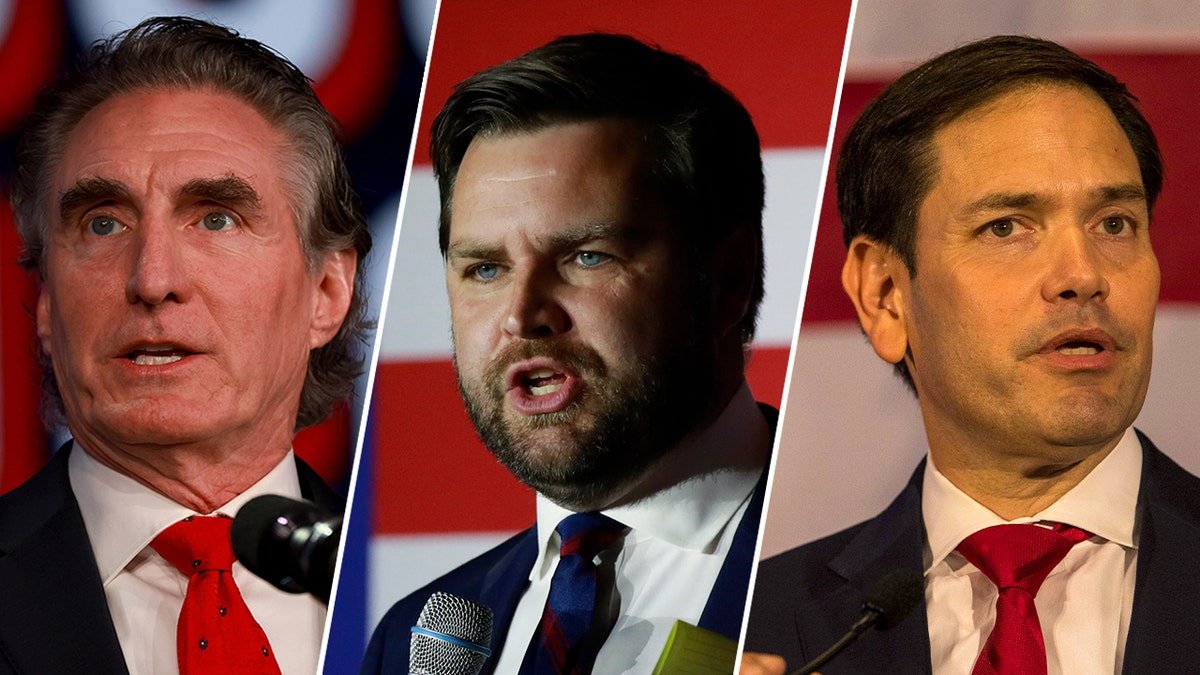
US Senators JD Vance and Marco Rubio have voiced strong criticism regarding the European Union's decision to impose a significant fine on the social media platf
US Senators Vance & Rubio Decry EU Fine on X as 'Attack on US Firms'
A recent headline suggests that influential US Senators JD Vance and Marco Rubio have vehemently criticized the European Union's decision to impose a significant fine on the social media platform X, which was formerly known as Twitter. Both senators reportedly framed this action as an "attack on US firms," indicating rising tensions between the two transatlantic powers concerning digital regulation.
Context of EU Digital Regulation
Although the original article content did not provide specific details regarding the EU's fine – such as its precise amount, the regulatory authority involved, or the particular violations leading to the penalty – the headline alone underscores a major area of dispute. The European Union has consistently pursued a proactive approach in establishing rigorous digital market and services acts. These legislative efforts aim to curtail the dominance of major tech corporations and foster equitable competition alongside robust data privacy standards. Such regulations frequently have a substantial impact on prominent US-based technology companies.
Transatlantic Implications and US Concerns
The outspoken reactions from Senators Vance and Rubio highlight anxieties within the US political landscape that the EU's regulatory measures might unfairly target American enterprises. This could potentially stifle innovation or create unjust competitive disadvantages. As inferred from the headline, this incident appears to be another episode in the ongoing dialogue regarding the extraterritorial scope of EU law and its broader consequences for global technology firms and international trade relations. The position adopted by these senators reflects a wider sentiment among certain US policymakers who aim to safeguard American corporate interests against what they perceive as overly aggressive foreign regulatory supervision.
By news
9 months ago