DRC Conflict Escalates: 200,000 Displaced After Washington Peace Deal Fails
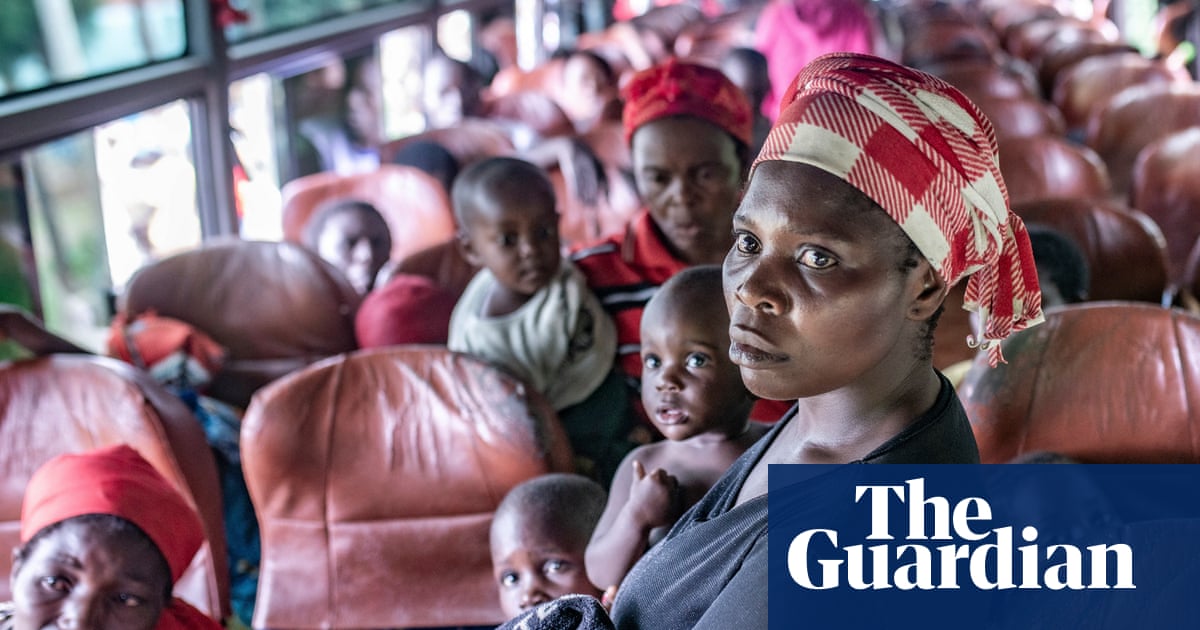
The Democratic Republic of Congo (DRC) is once again plunged into a deepening humanitarian crisis, with approximately 200,000 people displaced in its eastern region. This latest exodus comes mere days after a much-publicized peace deal, orchestrated in Washington, D.C., was intended to usher in an era of stability. The M23 rebel group, reportedly backed by Rwanda, has been aggressively advancing on the strategically important lakeside town of Uvira, near the border with Burundi, triggering widespread panic and conflict.
Rising Toll Amidst Fierce Clashes
Reports from the United Nations indicate a dire situation, with at least 74 fatalities, predominantly civilians, and 83 individuals hospitalized with injuries sustained during recent intense clashes. Local officials and residents describe a chaotic scene as M23 fighters push towards Uvira, encountering resistance from the Congolese army and local militia groups known as Wazalendo in villages situated north of the town.
Washington Deal Undermined by On-Ground Realities
Just on December 4th, former President Donald Trump hosted the leaders of Rwanda and the DRC in Washington, facilitating a pact aimed at ending the long-standing conflict. Trump had optimistically declared, “Today we’re succeeding where so many others have failed,” suggesting his administration had concluded a three-decade-old war responsible for millions of deaths. However, the rapid deterioration of the security situation in eastern DRC suggests a significant disconnect between diplomatic agreements and ground realities.
M23 Advances While Claiming Commitment to Talks
Corneille Nangaa, a leader within the Alliance Fleuve Congo rebel coalition, stated that M23 fighters moved towards Uvira on Tuesday following assaults by government forces. He urged retreating soldiers not to abandon the town. Meanwhile, South Kivu provincial government spokesperson Didier Kabi initially reported chaos in Uvira due to M23 rumors but later confirmed calm had been restored.
Despite their military advancements, M23 leader Bertrand Bisimwa reiterated the group's commitment to the Qatari-led peace negotiations in Doha. A framework agreement was signed there last month, aiming to halt the hostilities. Bisimwa emphasized, “Even if we counterattack, we said that there are no other solutions in the current crisis than the negotiating table, and we want to bring Kinshasa to the negotiating table.”
International Concerns and Rwanda's Role
On Monday, the rebels successfully captured Luvungi, a town that had served as a frontline since February, with fierce fighting subsequently reported near Sange and Kiliba, villages further along the route to Uvira from the north. The international community, including Washington and the UN, continues to assert that Rwanda supports the M23 rebels, a claim vehemently denied by Rwanda. This recent surge in violence adds to an already tragic toll, as the conflict had already displaced at least 1.2 million people prior to the current escalation. The U.S. State Department expressed profound concern over the escalating violence, urging Rwanda to prevent further destabilization in the region.