Burkina Faso Releases 11 Nigerian Troops After "Unauthorised" Emergency Plane Landing Amidst Regional Tensions
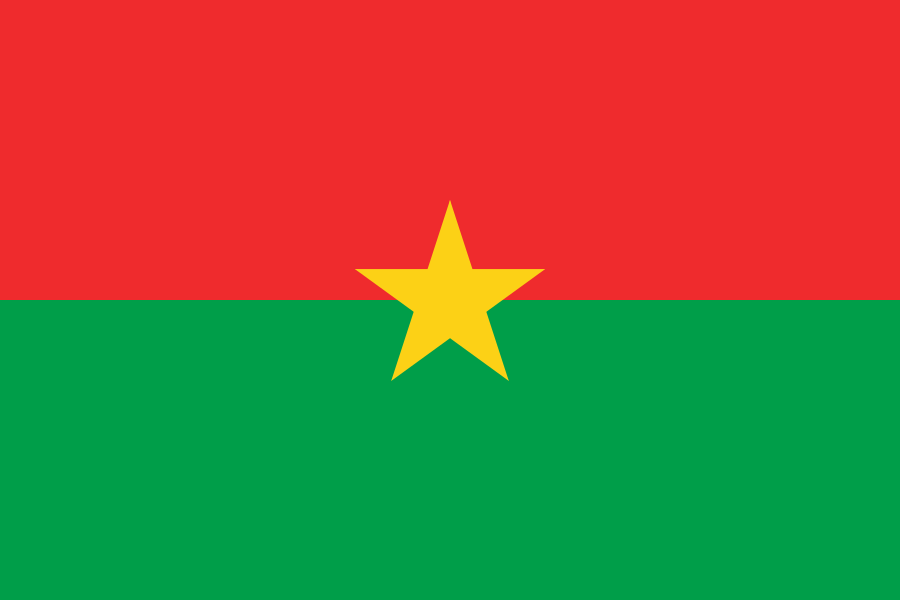
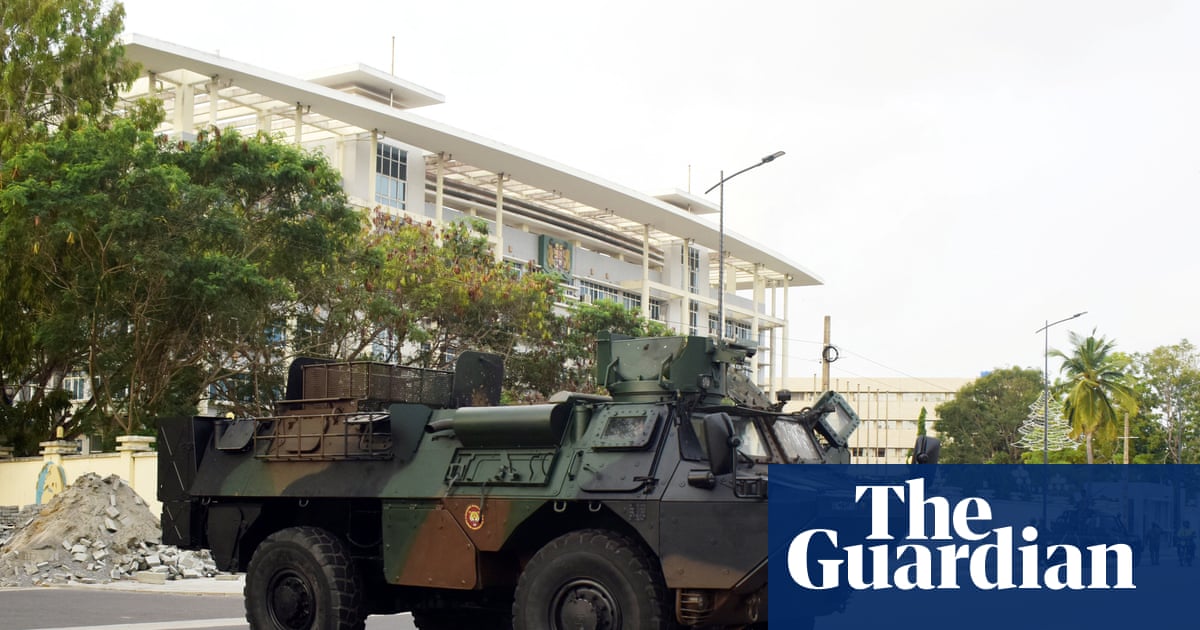
Bobo-Dioulasso, Burkina Faso – Authorities in Burkina Faso have confirmed the release of eleven Nigerian military personnel who were detained following an "unauthorised" emergency landing by a Nigerian C-130 cargo aircraft in Bobo-Dioulasso, the nation's second-largest city. The incident, which occurred on Monday, January 29, 2024, has drawn significant regional scrutiny given the current volatile political and security landscape across West Africa.
"Unfriendly Act" or Technical Emergency?
The Association of Sahel States (AES), a breakaway regional bloc comprising Burkina Faso, Mali, and Niger, swiftly condemned the incident. They described the aircraft's entry into Burkinabé airspace without prior clearance as an "unfriendly act." While the two crew members and nine passengers have been granted permission to return to Nigeria, the status of the aircraft itself remains unclear, prompting questions about its eventual release.
Nigerian authorities, responding on Tuesday, January 30, 2024, offered a different perspective. They clarified that the C-130 was on a ferry mission bound for Portugal when it encountered a technical issue, necessitating an unplanned stop at Bobo-Dioulasso airport. According to Nigeria, this landing was executed "in accordance with standard safety procedures and international aviation protocols." Ehimen Ejodame, a spokesperson for the Nigerian Air Force, neither confirmed nor denied the specifics regarding prior authorization but stated that a comprehensive investigation into the incident is currently underway. He also assured the public that the detained personnel received good treatment from their hosts and that arrangements are in progress to allow them to continue their mission.
Regional Context: Airstrikes and Political Fragility
The timing of this emergency landing intensified regional scrutiny, occurring just a day after Nigerian airstrikes targeted a military camp in neighboring Benin. Reports indicated that this camp was allegedly harboring military personnel linked to a recent foiled coup attempt in Benin. Abuja, Nigeria's capital, defended its actions, asserting they were fully consistent with the protocols of the Economic Community of West African States (ECOWAS). This followed a direct request from Beninese authorities after soldiers briefly seized the national broadcaster and announced the attempted removal of President Patrice Talon.
Omar Touray, President of the ECOWAS Commission, has publicly declared the wider West African region to be in a "state of emergency." He highlighted the severe fragility of democratic institutions and the escalating security challenges confronting member states. Addressing the bloc’s mediation and security council during a meeting in Abuja, Touray emphasized, "Events of the last few weeks have shown the imperative of serious introspection on the future of our democracy and the urgent need to invest in the security of our community."
Geopolitical Shifts and Regional Divisions
Further complicating the regional dynamic, the AES, which includes Burkina Faso, Mali, and Niger, formally withdrew from ECOWAS in January. This significant secession was driven by accusations that the larger bloc's interventions following military takeovers in these nations had pushed them away from traditional Western allies and increasingly closer to Russia. This move underscores the ongoing geopolitical shifts and growing divisions within West Africa, making incidents like the recent emergency landing highly sensitive.