Belgium PM Warns Using Frozen Russian Assets Could Derail Ukraine Peace Deal, Citing EU's Reparations Loan Scheme Concerns
Nov 28, 2025
 Belgium
Politics
Belgium
Politics
Belgium
Politics
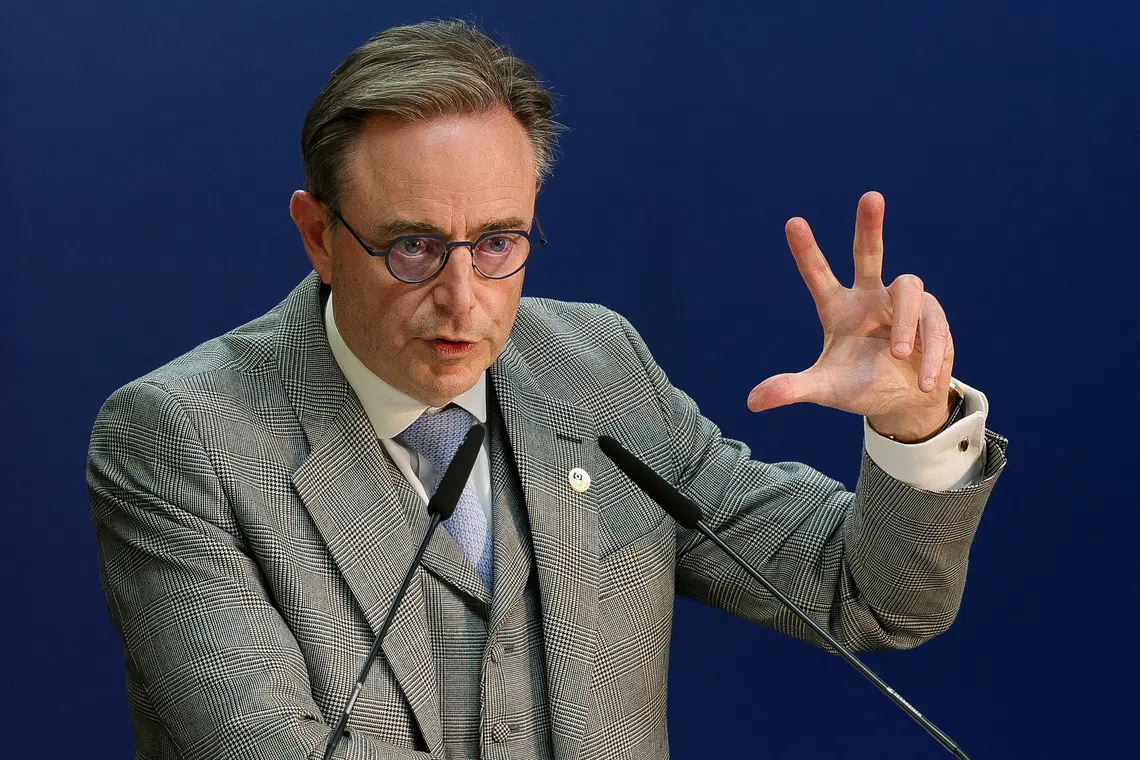
Belgium's PM Bart De Wever warns using frozen Russian assets to fund Ukraine may jeopardize peace talks, citing EU's reparations loan scheme concerns.
Belgium PM: Frozen Russian Assets Could Threaten Ukraine Peace Deal
Belgium's Prime Minister, Bart De Wever, has voiced significant apprehension regarding the European Union's strategy to utilize frozen Russian state assets for Ukraine's funding. He cautions that such a move could inadvertently undermine the prospects for achieving a peace agreement to conclude the nearly four-year conflict.
Concerns Raised in Letter to EU Commission President
In a letter addressed to European Commission President Ursula von der Leyen, De Wever expressed his concerns, stating that "hastily moving forward on the proposed reparations loan scheme would have, as a collateral damage, that we as EU are effectively preventing reaching an eventual peace deal." This letter, highlighting the potential diplomatic pitfalls, was initially reported by the Financial Times.
EU Efforts to Utilize Frozen Funds Face Belgian Resistance
EU leaders convened at a summit last month in an attempt to finalize a plan for leveraging approximately 140 billion euros ($162 billion) in frozen Russian sovereign assets located across Europe. The intention was to convert these funds into a loan for Kyiv. However, their efforts were unsuccessful, largely due to a lack of support from Belgium, which currently holds a substantial portion of these assets.
Commission Prepares Legal Proposal to Address Concerns
While the European Commission did not provide an immediate comment outside of standard business hours, EU officials have indicated that the executive body aims to address Belgium's specific concerns. A draft legal proposal is expected to be presented this week, outlining the mechanism for employing these frozen sovereign assets to support Kyiv throughout 2026 and 2027. De Wever, in his letter, also noted that Belgium had yet to receive "any proposed legal language by the commission" regarding these plans, underscoring the need for transparent and legally sound frameworks.
By news
6 months ago