Belgium Rejects EU Proposal to Use Frozen Russian Assets for Ukraine Aid
Dec 3, 2025
 Belgium
International Relations
Belgium
International Relations
Belgium
International Relations
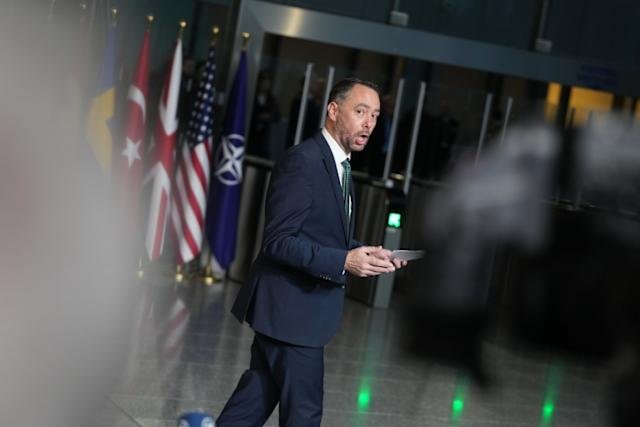
Belgium has formally rejected an EU proposal to utilize frozen Russian assets to fund aid for Ukraine. This decision highlights ongoing diplomatic complexities.
Belgium Opposes EU Plan to Deploy Frozen Russian Assets for Ukraine Relief
In a significant development reflecting the complex dynamics within the European Union, Belgium has officially rejected a proposal aimed at utilizing frozen Russian assets to support Ukraine. This decision marks a notable divergence from the broader EU strategy and introduces further considerations into the ongoing debate over how best to leverage immobilized Russian funds in response to the conflict.
The European Union has been exploring various avenues to provide financial aid to Ukraine, with the use of frozen assets belonging to the Russian state or its entities being a prominent, albeit contentious, option. Such a move would aim to tap into the substantial wealth currently held in international accounts, primarily within European financial institutions, which were frozen following Russia's full-scale invasion of Ukraine.
Implications of Belgium's Stance
Belgium's stance highlights potential legal, financial, or political reservations that some member states may hold regarding the direct appropriation or redirection of these assets. While the overarching goal of supporting Ukraine is shared across the EU, the methods for achieving this goal can be subject to rigorous debate and national sovereignty concerns.
The rejection by Belgium, a key member state and host to significant international financial infrastructure, underscores the challenges in forging a unanimous and legally robust approach to this complex issue. Further details regarding the specific reasons for Belgium's opposition or the precise scope of the EU's proposal were not explicitly detailed in the original report. However, this development is expected to prompt further discussions and negotiations among EU leaders as they seek a unified and effective strategy to address the ongoing crisis in Ukraine and its financial repercussions.
By news
8 months ago